

- About Us
- Industrial Furnaces
- Services
- Client
- Contact
×
WHAT ARE YOU LOOKING FOR?
Cooling
Controlled cooling, secured future.
Discover
Cool step by step,
extend the life.
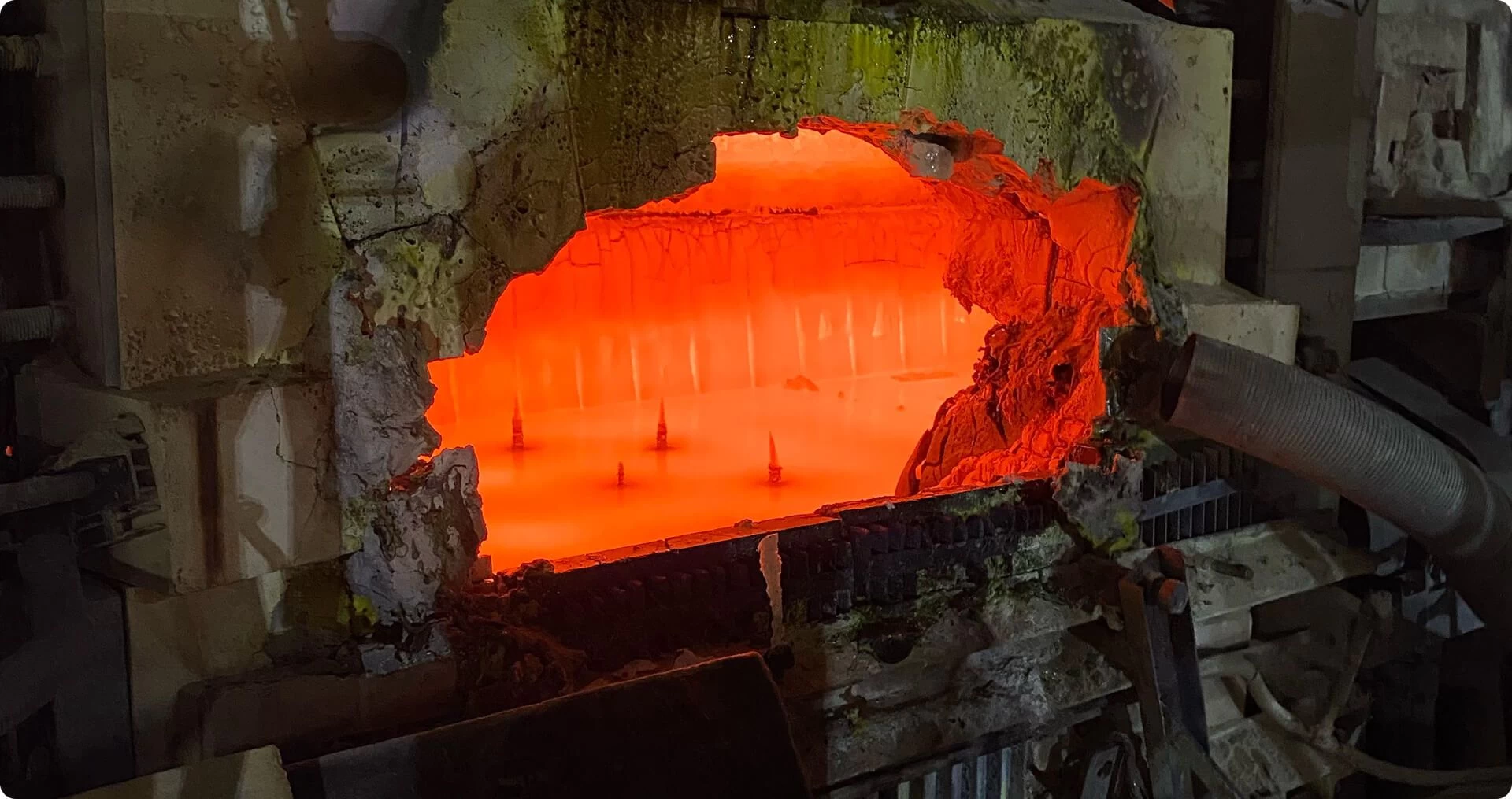
Furnace cooling is a critical process carried out when a glass melting furnace reaches the end of its operational lifetime or is scheduled for repair. The main objective of this process is to reduce the internal temperature of the furnace in a controlled and safe manner. Improper or rapid cooling methods can cause cracks in expensive refractory materials, structural deformations, and may render the furnace completely unusable.
For example, in a furnace operating at around 1200 °C, proper cooling requires the temperature to be gradually reduced to 800 °C and then to 600 °C. This controlled approach prevents refractory materials from being exposed to sudden expansion and contraction, thereby protecting the furnace body, crown, and bottom blocks.
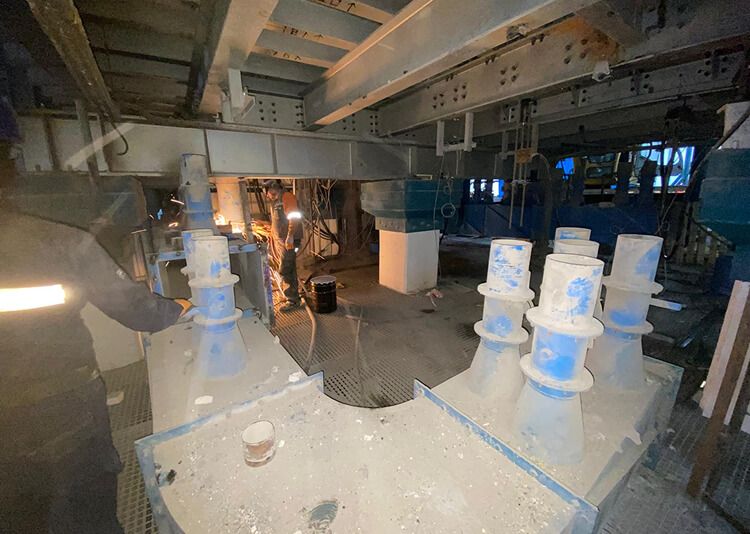
If the furnace is left to cool naturally down to ambient temperature, the refractory materials that have been exposed to high operating temperatures would suffer severe thermal shock. This leads to cracks, material loss, and structural damage; ultimately, a furnace worth millions of euros may face serious damage or become entirely inoperable.
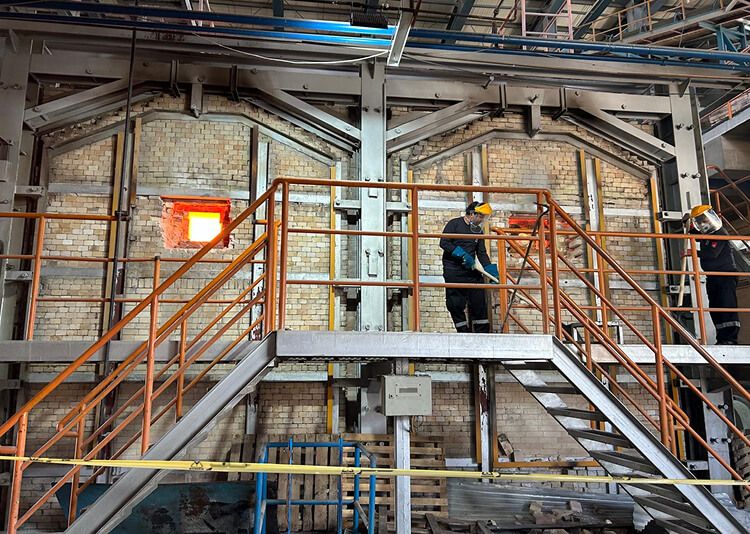
Therefore, the furnace cooling process must be meticulously planned and supervised by experienced specialists. When carried out with the correct procedures, cooling not only extends the service life of the furnace but also ensures that subsequent repair, cold repair, or hot repair operations can be performed safely and efficiently.
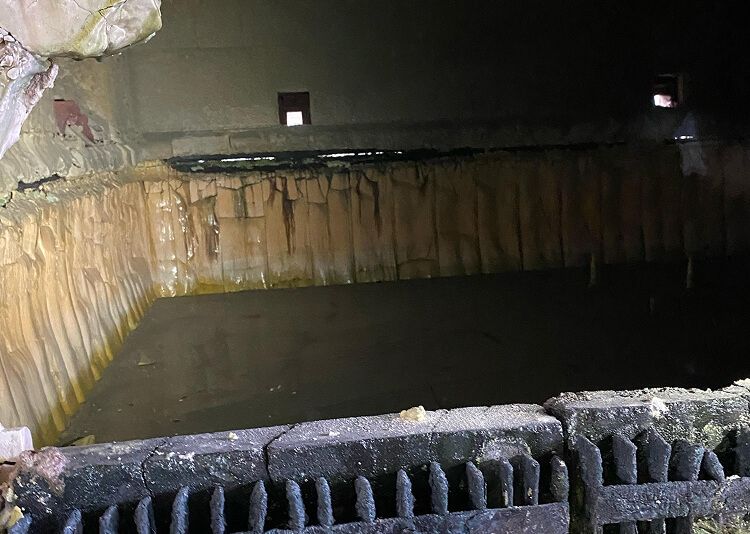
Industrial Furnace Cooling
Furnace cooling is a critical process carried out when a glass furnace reaches the end of its campaign or requires repair. By gradually reducing the furnace temperature in a controlled manner, GTR helps prevent thermal shock, structural deformation, and damage to refractory materials. This careful approach protects the furnace structure and prepares it safely for maintenance, repair, or reconstruction operations.
Highlights


Photo Gallery