

- About Us
- Industrial Furnaces
- Services
- Client
- Contact
×
WHAT ARE YOU LOOKING FOR?
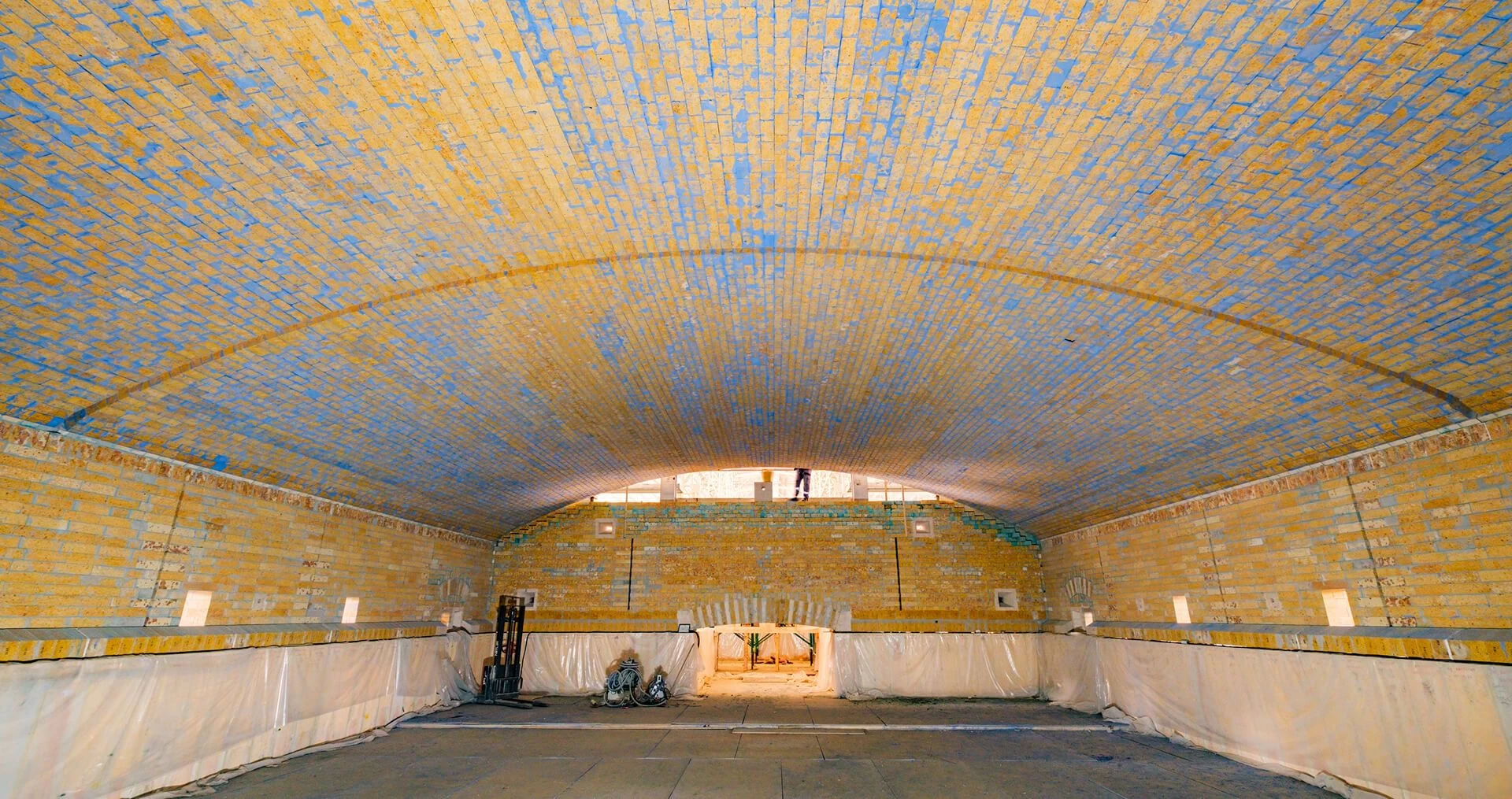
Hot Bottom Repair
Every furnace bottom lasts longer when reinforced with the right method.
Discover
Reinforcing the furnace bottom with the right techniques increases production efficiency and extends operational life.
In cases where a partial repair is to be performed on a furnace, the glass is discharged and the furnace is cooled in a controlled manner. During this process, only the refractory blocks in the worn areas of the melting tank are replaced. Accordingly, only the damaged sections—such as the sidewalls, throat, superstructure, or bottom—are repaired, while the intact refractory structure remains untouched. This operation requires high precision, the right equipment, and meticulous execution to avoid damaging the existing structure. As a result, the operational continuity of the furnace is maintained, and efficiency is enhanced without the need for a full cooldown or complete overhaul.
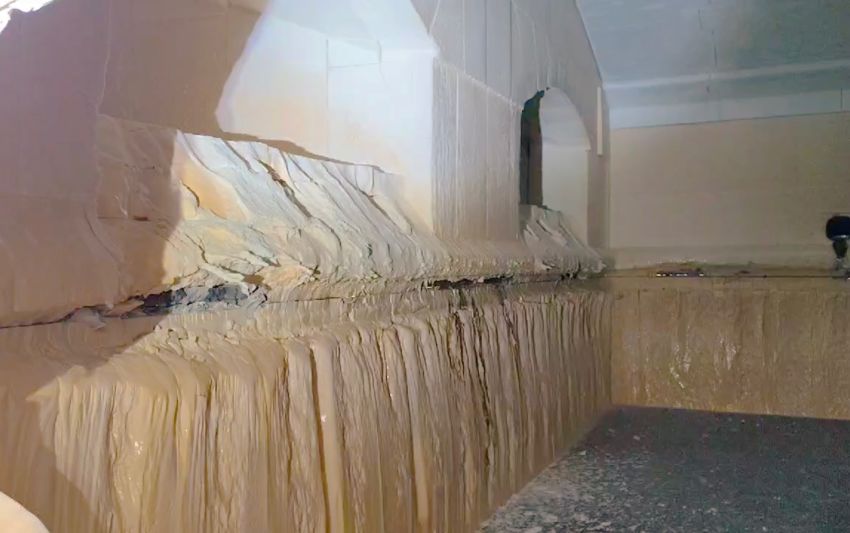
Hot Bottom Repair
This method is carried out to restore the thickness and structural integrity of the melting bottom block. After draining the furnace, a high-temperature resistant self-levelling refractory mortar is applied using specially cooled lances. This method repairs wear in the bottom area that comes into direct contact with molten glass, extending the operational life of the furnace.
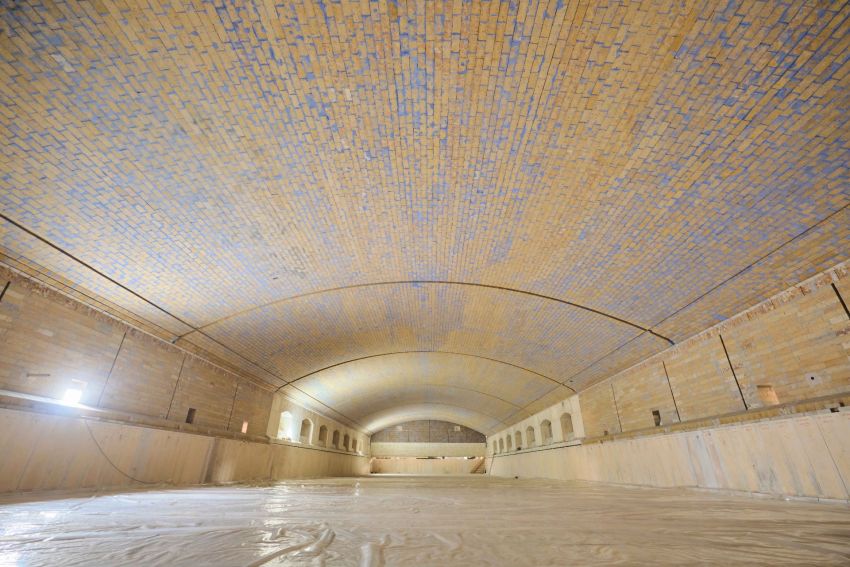
Bottom Pumping Injection
The purpose is to solve the problem of large cross or float furnaces where access to the sides is limited. After drainage, the worn areas are repaired with self-levelling refractory cement using ad hoc injections directly from the bottom.
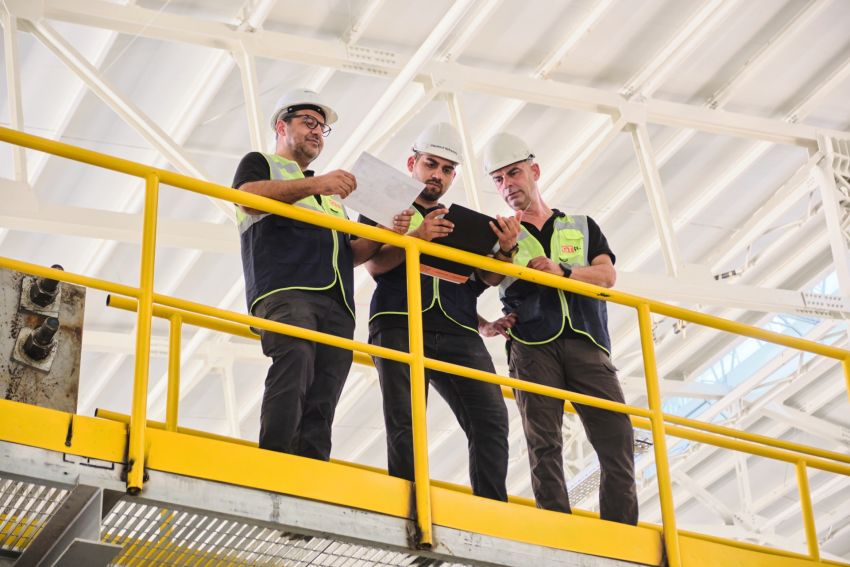
Hot Bottom Repair
Hot bottom repair is a targeted maintenance method used to restore worn areas of the furnace bottom without requiring a complete furnace rebuild. By repairing only the damaged sections of the melting tank, GTR helps maintain structural integrity, extend furnace campaign life, and ensure continued production efficiency while minimizing downtime and operational disruption.
Highlights


