- About Us
- Industrial Furnaces
- Services
- Client
- Contact
EN




Project overview
As part of a cold repair project carried out in Norway, covering a total of three furnaces, the existing fiber glass furnace, which had completed an average operational lifetime of approximately 20 years, was fully dismantled and rebuilt.
Drawing on the know-how and technical experience gained through its previous fiber glass furnace projects, GTR executed the technological steel / steel structure and refractory works with an integrated project execution approach in this highly demanding project.
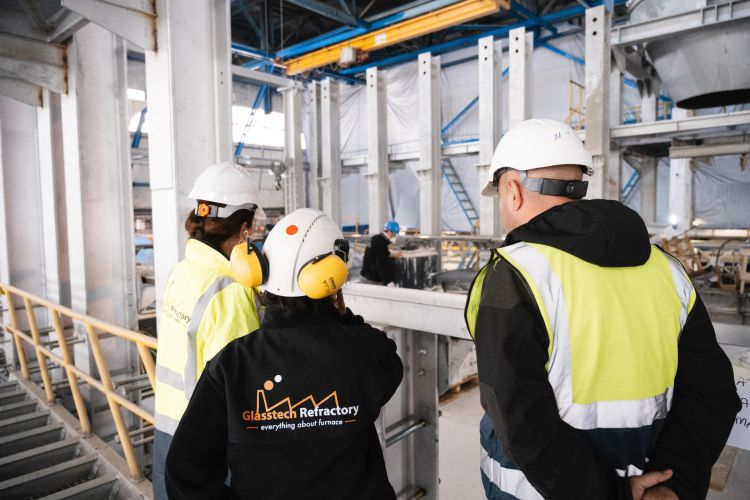
Due to the specific structure of fiber glass furnaces, the high-chromium refractories used in the furnace became one of the most critical factors of the project. Because of the components contained in these materials, the dust generated during refractory dismantling / demolition posed potential risks to human health. For this reason, the dismantling process differed significantly from standard site practices. Before demolition works began, the site was isolated with special tent systems and transformed into a controlled working environment.
Throughout the execution phase, all teams worked with FFP3-class respiratory protective equipment. In addition, ascorbic acid-based dust suppression applications were implemented to control airborne particles. The entire process was managed with an approach in which occupational health and safety was not considered merely a requirement, but positioned at the core of the operation.
Another defining aspect of the project was the physical limitations resulting from the furnace design. Unlike conventional glass furnaces, fiber glass furnaces do not provide suitable access for heavy machinery within the working area. Therefore, demolition and dismantling works were carried out piece by piece, with limited equipment support and a high level of precision.
These site-specific constraints naturally extended the duration and increased the complexity of the process, requiring detailed planning and strong site discipline at every stage of execution.
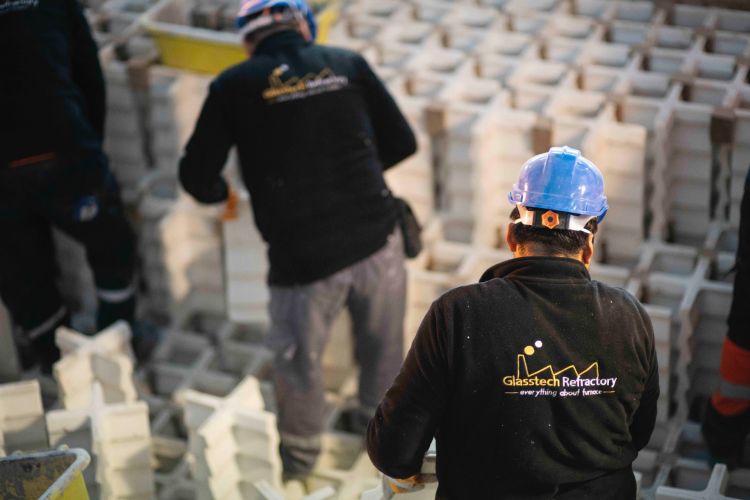
The waste separation process, which started together with the dismantling works, was handled as one of the most critical phases of the project. All AZS, chromium-based and silica-based refractories were classified separately. In particular, chromium-containing materials categorized as hazardous waste were isolated and managed accordingly. In line with European standards, all waste materials were properly packaged and the process was carried out in full compliance with recycling procedures.
In accordance with Norway’s high standards and expectations, occupational health and safety practices were maintained at the highest level throughout the project. All processes were planned and executed with a zero-accident principle and with a level of sensitivity beyond international norms.
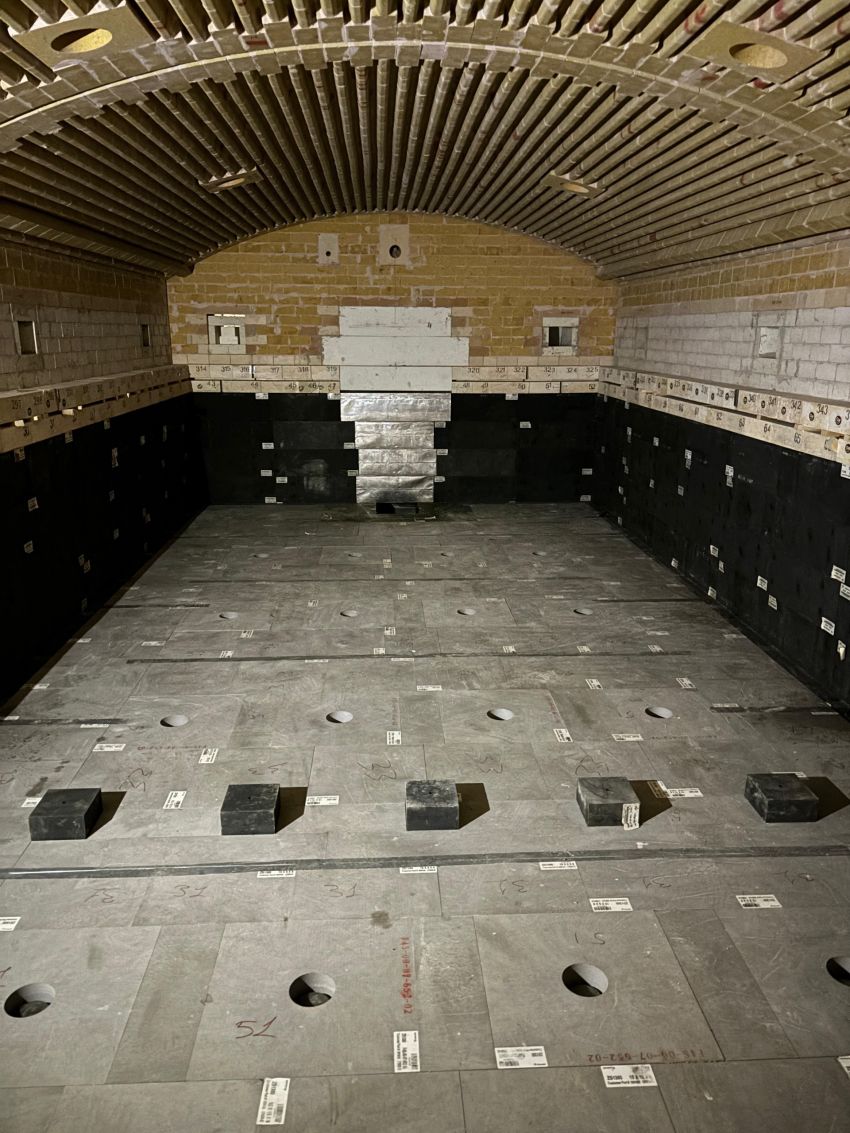
Within the project scope, the controlled demolition of the existing furnaces, refractory dismantling / demolition, steel disassembly, steel assembly and refractory installation works were carried out in an integrated manner. Site organization, safety management and technical execution were coordinated simultaneously throughout the project.
Result
Despite the high level of technical complexity and the limitations of the site conditions, the project was completed in accordance with the planned quality standards.
This project demonstrates GTR’s capability to execute highly specialized furnace projects, such as fiber glass furnaces, with an approach that adapts to challenging site conditions, manages risks effectively and controls the entire process with a high level of precision.