
- About Us
- Industrial Furnaces
- Services
- Client
- Contact
×
WHAT ARE YOU LOOKING FOR?
Aluminum Furnace Technologies: Precision Production at High Temperatures
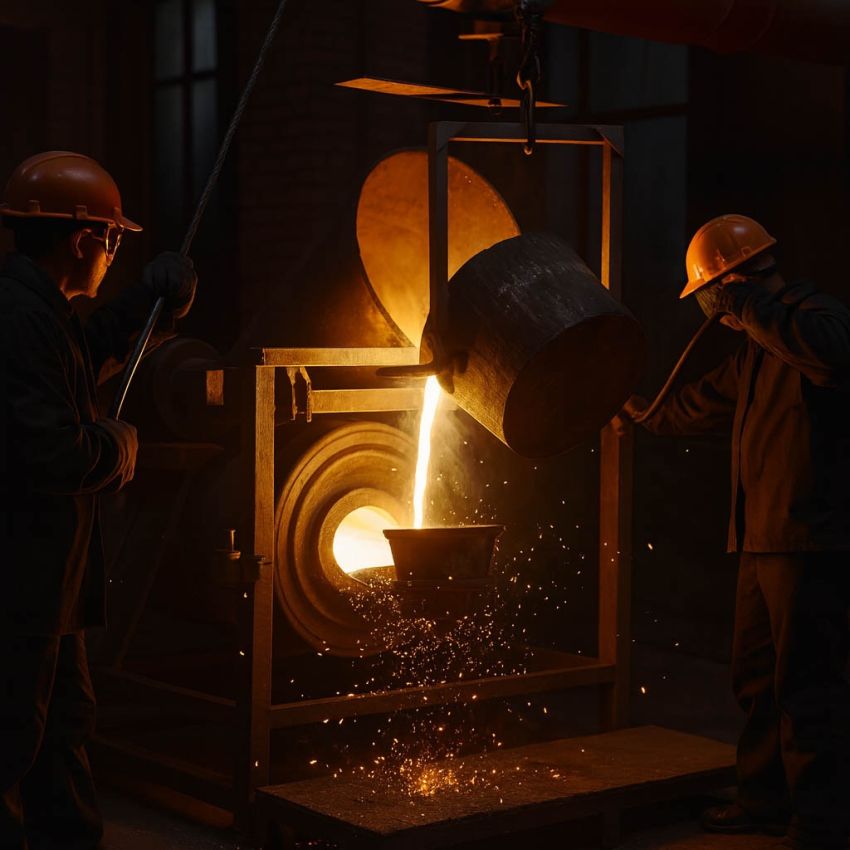
Industrial Importance of Aluminum
Aluminum is one of the most preferred metals in modern industry due to its lightweight nature, high strength, formability, and thermal conductivity. It is the third most abundant element on Earth, following oxygen and silicon. Its ability to reflect about 98% of radiation and visible light makes it an energy-efficient and durable material.
Since aluminum is not found in its pure form in nature, it is obtained from bauxite ore through two main processes:
• Bayer Process – chemical separation of the ore
• Hall–Héroult Process – electrolytic reduction of alumina into pure metal
Both processes require high temperatures (around 980°C) and involve corrosive gases, making the furnace design and materials critical for efficiency and durability.
How Does an Aluminum Furnace Work?
Aluminum furnaces are specialized structures where these high-temperature operations take place, typically powered by electric melting systems.
In these furnaces:
• The aluminum ore is placed into a deep melting chamber surrounded by copper tubes.
• Around the chamber, a layer of oil cooled with water helps maintain stable temperatures.
• The copper tubes are heated using alternating current (AC), which in turn heats the oil, bringing the mineral inside to its melting point.
This method operates on a flameless heating principle, allowing for extremely precise temperature control. The thermal uniformity within the furnace directly affects the purity and mechanical strength of the resulting aluminum.
In large-scale industrial operations, these furnaces can melt up to 60–65 tons of aluminum in a single batch and consume as much as 42 MW of energy, highlighting the scale and sophistication of aluminum furnace technology.
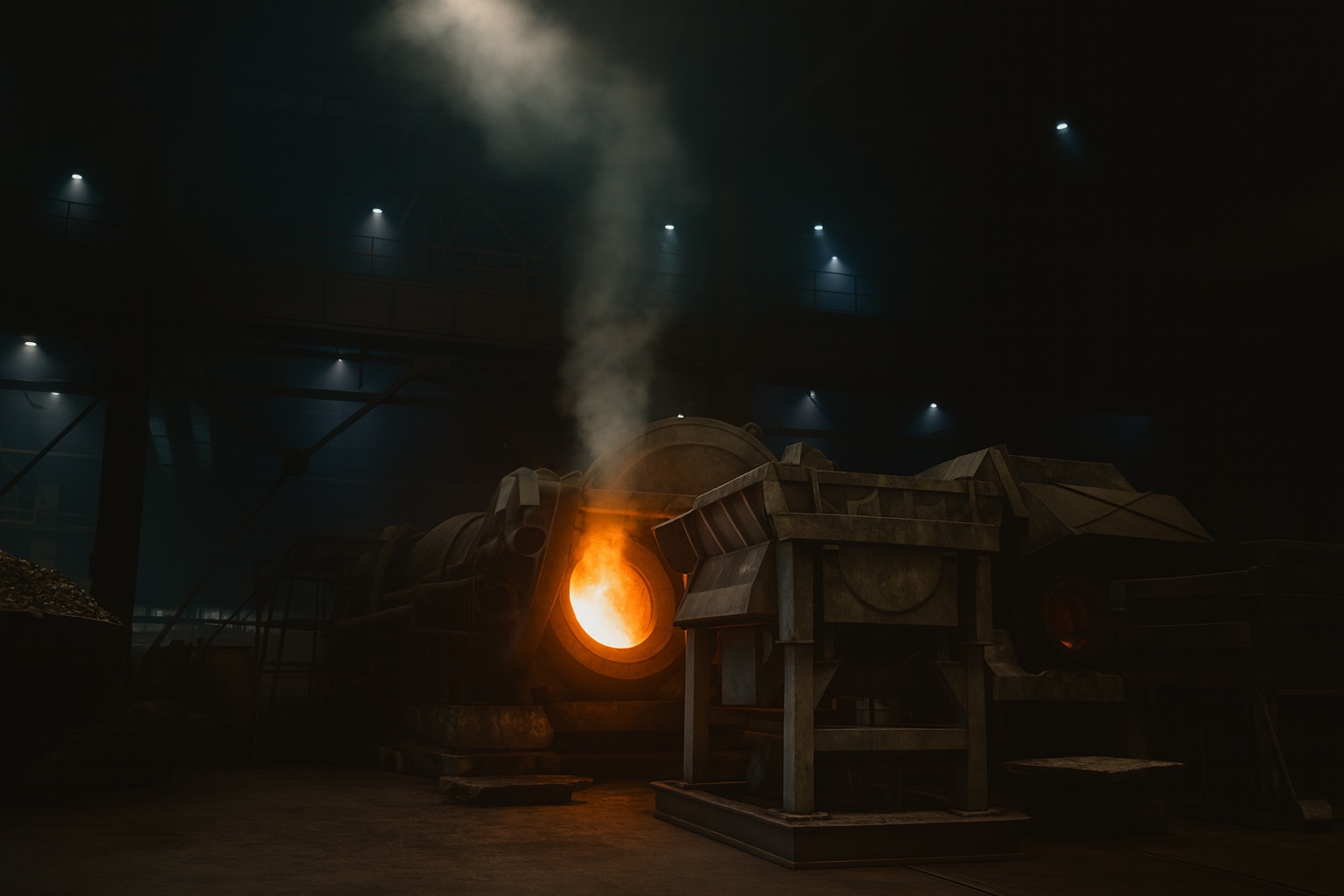
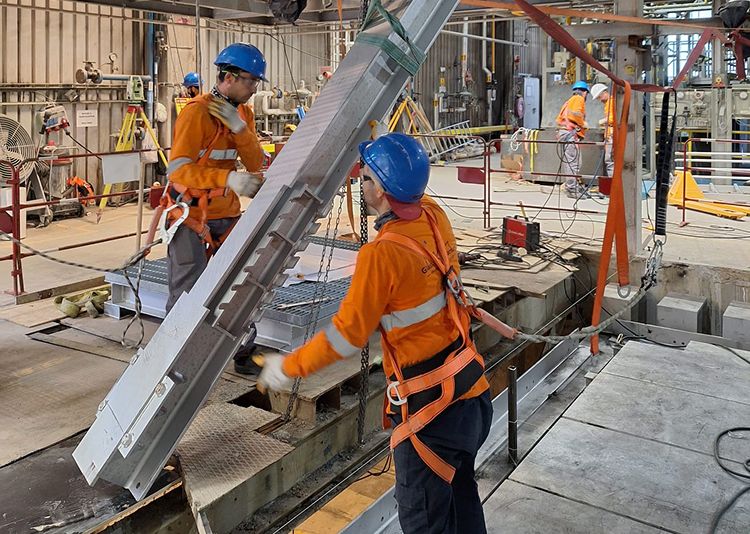
Aluminum Furnace Technologies: Precision Production at High Temperatures
Aluminum is widely used in modern industry due to its light weight, strength, and high thermal conductivity. Because it is not found in pure form in nature, aluminum is produced from bauxite through high-temperature processes such as the Bayer and Hall–Héroult methods. These processes require specialized furnace systems capable of operating under extreme temperatures and corrosive conditions. Aluminum furnaces rely on controlled heating technologies and durable refractory materials to ensure thermal stability and production efficiency. Their design directly influences the purity, mechanical strength, and consistency of the final aluminum product, making furnace performance a critical factor in large-scale industrial aluminum production.
Energy Sources and Production Centers
Because aluminum production requires extremely high amounts of energy, it is concentrated in regions where electricity costs are low. Today, China and Australia rank among the world’s leading aluminum producers.
Globally, around 32 million tons of aluminum are produced each year. For comparison, iron production exceeds 800 million tons during the same period. Despite this difference, aluminum has become a more sustainable alternative in many industries due to its lightweight nature and recyclability.
Sustainability and Recycling
Aluminum is a 100% recyclable material. The recycling process requires only 5% of the energy needed for primary aluminum production. This makes it highly advantageous in terms of energy efficiency and carbon emission reduction.
Moreover, aluminum is a biologically harmless element — it can be tolerated by plants and animals, making it an environmentally friendly metal.
Applications of Aluminum
Thanks to its durability and lightness, aluminum is used across a wide range of industries, including:
• Aerospace and aviation
• Automotive and public transportation systems
• Glass and metal structural components
• Electronics and information technology equipment
• Energy sector (solar panel frames, cable systems, etc.)
Conclusion
Aluminum furnaces are advanced engineering systems that demand precise temperature control and high energy efficiency. Furnaces designed with the right refractory materials and maintained regularly ensure consistent production quality for years. With its recyclability and low environmental impact, aluminum stands as the sustainable metal of the future.