
- About Us
- Industrial Furnaces
- Services
- Client
- Contact
×
WHAT ARE YOU LOOKING FOR?
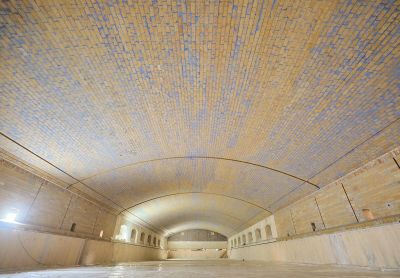
The Power at the Heart of Furnaces: Refractory Technology
The Power at the Heart of Furnaces: Refractory Technology
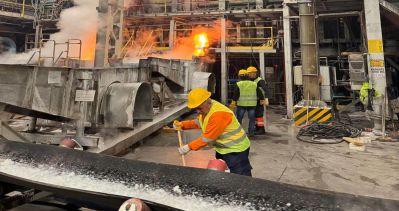
Industrial furnaces, in the simplest terms, are furnaces used in industrial operations. They are units that heat the loaded material to the process temperature and maintain it at that temperature for the required duration. The nature of industrial activity can vary widely — glass melting, cement production, iron and steel industries, ceramic manufacturing, and lime production are some examples. Each of these industrial fields requires furnaces during specific stages of production. Depending on the process, these furnaces perform tasks such as heating, melting, or firing. The operating principle of industrial furnaces also varies according to their intended use.
How Do Melting Furnaces Work?
Melting is a process in which the composition of materials placed inside the furnace changes as a result of chemical reactions. This transformation relates to the laws of homogeneous and heterogeneous equilibrium and reaction kinetics. In some cases, the required chemical change occurs through the direct application of pressure and heat. Consequently, an industrial furnace used for melting operates based on these principles.
A melting furnace must first reach very high temperatures, typically ranging between 400°C and 1,600°C — though depending on the industry, much higher temperatures may be necessary. Units that heat below 400°C are not considered furnaces but are referred to as kilns or heaters. High temperature is the fundamental condition for achieving the compositional changes described above. The simplest example of this process is the melting of metal through heating.

The Power at the Heart of Furnaces: Refractory Technology
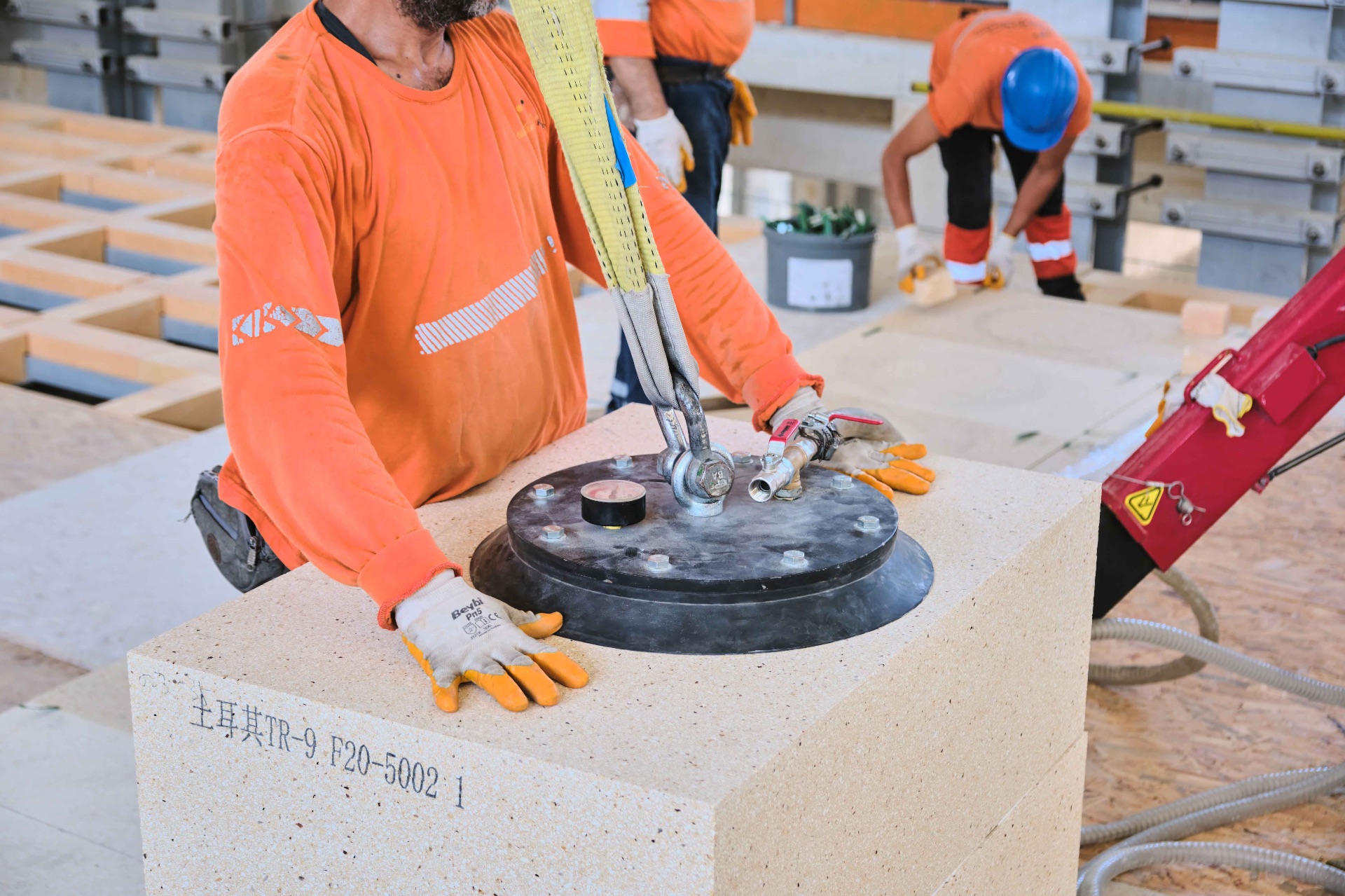
Refractory materials form the core structural and thermal protection system of industrial furnaces. Designed to withstand extremely high temperatures and harsh chemical conditions, these materials enable furnaces to operate safely while maintaining stable process temperatures. Refractories are produced in different chemical compositions, manufacturing methods, and physical forms to meet the specific requirements of various high-temperature industries. In furnace applications, proper refractory selection, installation, and maintenance are essential for ensuring durability, minimizing heat loss, and supporting reliable long-term furnace performance.
Classification of Refractory Materials
By chemical composition: Acidic (silica, zirconium), Basic (magnesium, dolomite), Neutral (alumina, chromite).
By manufacturing method: Dry press, hand mold, fused cast, gunning.
By physical form: Shaped (geometrically formed), Monolithic (unshaped).
Refractory Applications in Glass Furnaces
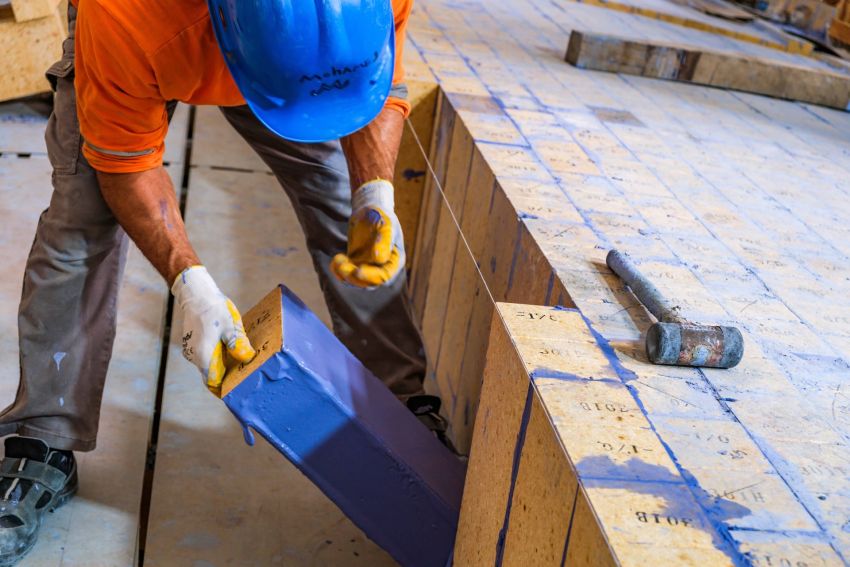
Refractory materials play a critical role in ensuring that glass furnaces operate with longevity, efficiency, and reliability. At Glasstech, we provide refractory bricklaying, dismantling, hot/cold repair, and recycling services for glass furnaces.
With our expertise trusted by industry leaders such as Şişecam, Trakya Cam, Paşabahçe, İzocam, and Güral Porselen, we complete projects on time and in accordance with the highest quality standards.
Refractory Maintenance and Repair Services
Regular maintenance and repair of refractory furnaces are vital for operational continuity and cost optimization. Glasstech’s maintenance and repair services include:
• Regular periodic inspections
• Preventive interventions before problems arise
• Prevention of costly breakdowns
• Dismantling and recycling services
• Consultancy support based on specific needs
Through these services, we extend the lifespan of your furnaces and ensure uninterrupted operation for your facility.
Refractory materials are the essential building blocks of industrial production. Their resistance to high temperatures and abrasive conditions makes them indispensable in the glass, metallurgy, and steel industries. With our globally gained experience at Glasstech, we ensure that your furnaces operate safely and efficiently for many years.