
- About Us
- Industrial Furnaces
- Services
- Client
- Contact
×
WHAT ARE YOU LOOKING FOR?
Reshaping the Fire: Hot and Cold Solutions in Furnace Repair
The Importance of Furnace Repair
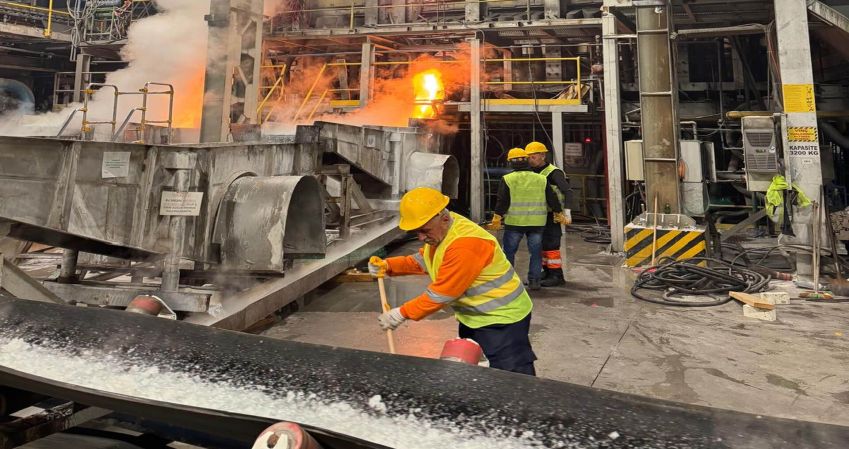
A refractory furnace forms the foundation of uninterrupted production processes. However, to maintain maximum efficiency, regular maintenance and repair operations must not be neglected. No matter how well designed a furnace is, without proper maintenance its performance declines over time; heat loss increases, energy efficiency drops, and production may even come to a halt.
Therefore, furnace repair is not merely a “fix” — it is like a second breath for the furnace, extending its lifespan and ensuring continuous operation.
Furnace Repair Methods
The repair of industrial refractory furnaces is carried out using two main methods:
Hot Repair
Cold Repair
To illustrate the difference: hot repair is like a quick yet precise intervention performed while production continues, whereas cold repair involves completely shutting down the furnace for comprehensive maintenance and renewal.
Hot Furnace Repair
This repair method is performed while the furnace is still in operation and is commonly used in the glass, metallurgy, and ceramics industries.
Advantages:
Does not interrupt production.
Saves energy since reheating is not required.
Extends furnace lifespan without operational downtime.
How is it done?
Hot repairs typically use the ceramic welding technique, which is similar to spraying a molten ceramic coating onto the cracked surface. At high temperatures, the powdered ceramic mixture adheres, melts, and fills the gaps, effectively repairing the damaged area.
It is essentially like applying a “hot dressing” to the furnace.
Cold Furnace Repair
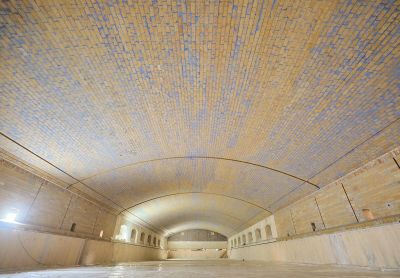
This method begins with a complete shutdown and cooling of the furnace. Although it may seem time- and energy-consuming, it allows full access to every part of the furnace.
Advantages:
Allows detailed inspection.
Enables not only repair but also general maintenance and renewal.
All components — from furnace walls to regenerator systems — can be examined.
Cold repair is like a full health check-up for the furnace — thorough, comprehensive, and delivering long-lasting results.
Reshaping the Fire: Hot and Cold Solutions in Furnace Repair
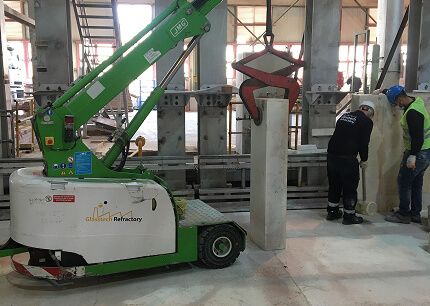
Furnace repair plays a critical role in maintaining the efficiency and reliability of industrial furnaces. Over time, high temperatures and continuous operation can cause wear in refractory structures, making timely maintenance essential. Furnace repairs are generally performed using two main approaches: hot repair and cold repair. Hot repair allows targeted interventions while the furnace remains in operation, helping maintain production continuity. Cold repair, on the other hand, requires a complete shutdown of the furnace, enabling comprehensive inspection, maintenance, and structural renewal. Selecting the appropriate repair method helps extend furnace lifespan, improve energy efficiency, and support stable long-term operation.
Furnace Repair in Glass Furnaces
Glass furnaces are among the systems most sensitive to temperature balance. Therefore, every repair requires precision appropriate to the nature of glass.
Hot Repair: Performed while production continues, using the ceramic coating method.
Cold Repair: Conducted after the furnace has cooled down, including detailed maintenance of the walls, crown, and regenerator areas.
The goal in hot repair is quick restoration and production continuity, while in cold repair it is complete renewal and long service life.
Safety and Expertise
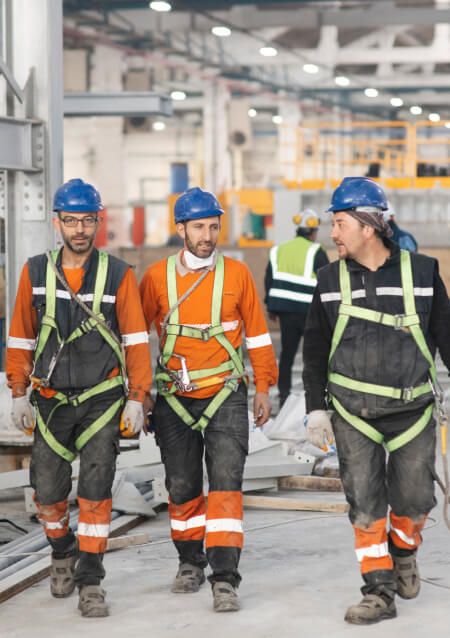
Furnace repair is a demanding and hazardous job performed under extremely high temperatures. Refractory specialists are like surgeons walking on lava — a single mistake could endanger both their safety and a production line worth millions.
Therefore:
All personnel must use protective clothing, goggles, and equipment.
The operation must always be performed under professional supervision.
Furnace repair is one of the most critical stages in ensuring the sustainability of industrial production. When performed at the right time and with the right method, it not only extends operational life and saves energy but also ensures continuous production efficiency.
It should never be forgotten that the heart of every furnace is its refractories, and the life of every refractory depends on proper repair.