
- About Us
- Industrial Furnaces
- Services
- Client
- Contact
×
WHAT ARE YOU LOOKING FOR?
Beyond a Thousand Degrees: Melting in Iron and Steel Furnaces
Iron and Steel Furnaces
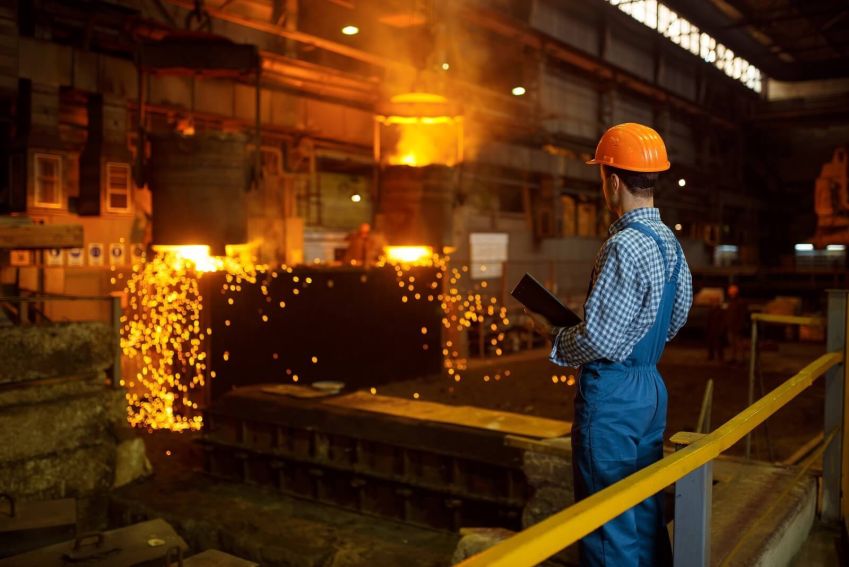
Iron and steel furnaces are high-temperature systems used for industrial metal production through the melting process. In these furnaces, fuel, iron ore, and minerals such as limestone are continuously fed from the top. Meanwhile, oxygen-rich, high-temperature air circulates through the lower section, heating the ore until it reaches a molten state. By adding various raw materials to the purified ore, it becomes possible to produce different types of metals, such as steel.
The basic working principle of iron and steel furnaces relies on the heat exchange between carbon monoxide–rich hot gases and pure iron ore. This chemical interaction allows the metal to transform into its desired form.
The Importance of Iron and Steel Furnaces
Although iron and steel furnaces may appear complex from the outside, their fundamental principles are quite ancient. These furnaces—used even in ancient China—revolutionized humanity’s journey in metalworking. Today’s advanced furnace technologies apply the same principles with far greater efficiency and precision.
These furnaces are not only central to metal production but also form the backbone of industrialization itself. The majority of the iron and steel used in construction, automotive, energy, and infrastructure sectors is produced in such systems. High capacity, continuous production, and optimized energy use make modern iron and steel furnaces indispensable components of industrial progress.
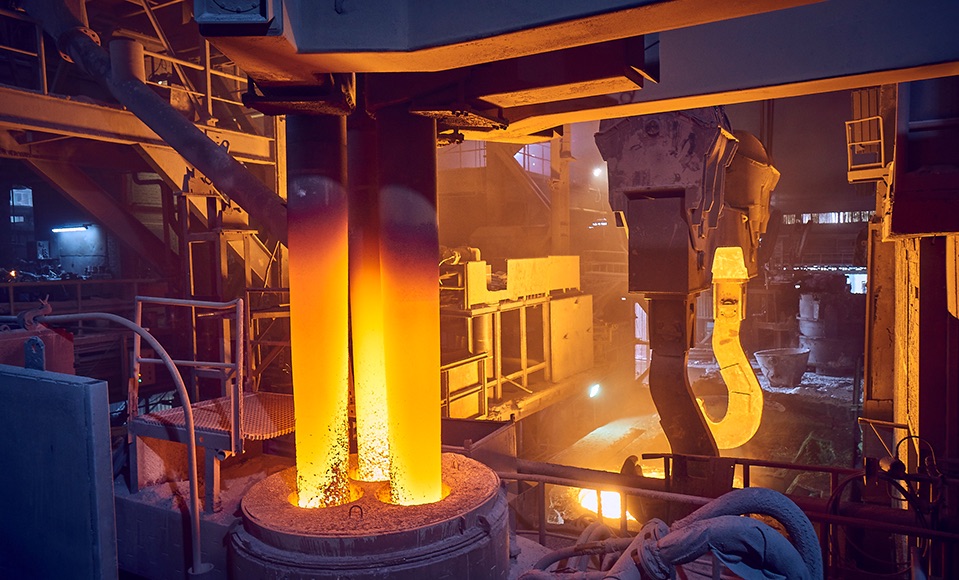
Beyond a Thousand Degrees: Melting in Iron and Steel Furnaces
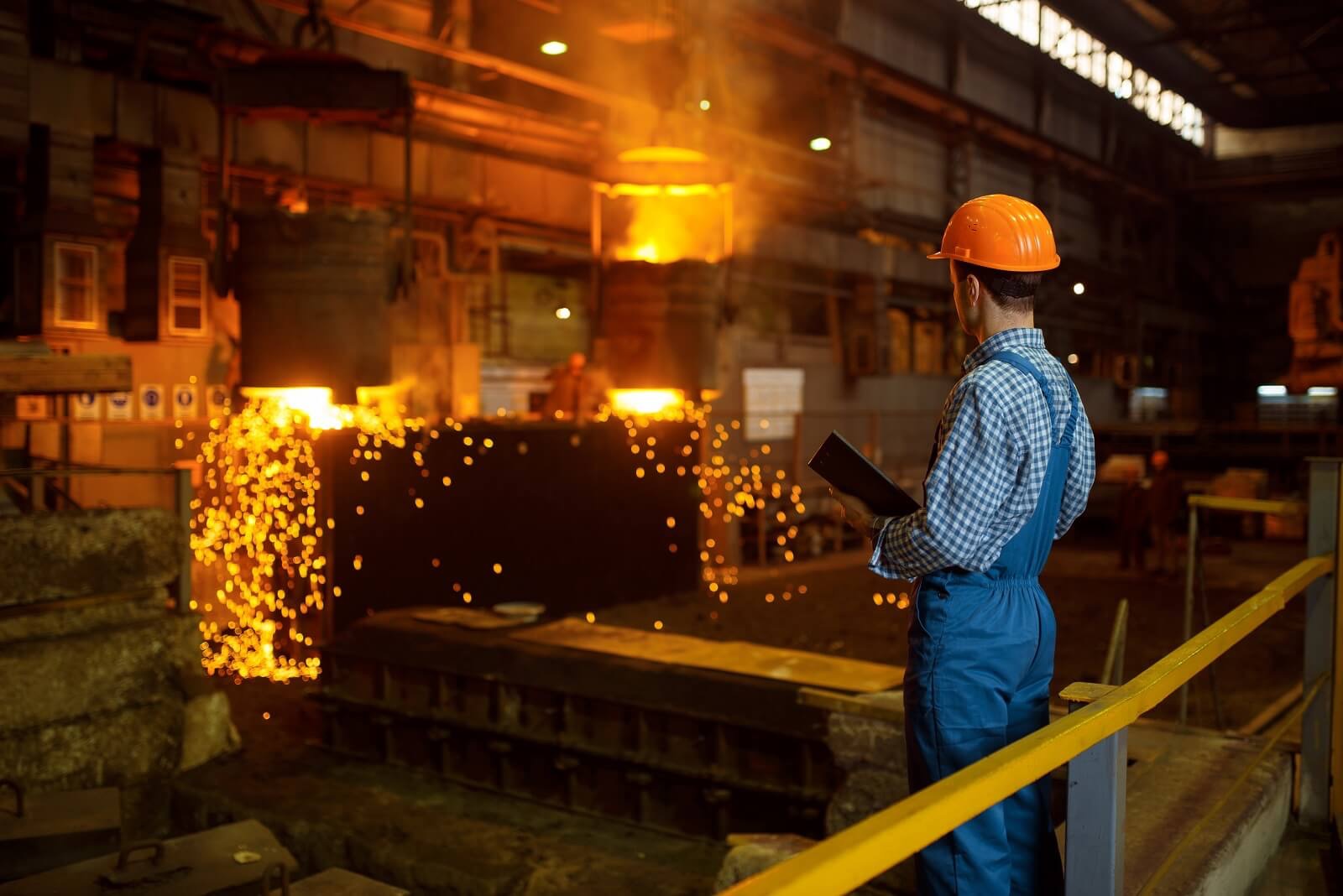
Iron and steel furnaces are high-temperature systems designed to convert iron ore and raw materials into molten metal for industrial production. In these furnaces, raw materials are continuously fed while oxygen-rich hot air circulates through the system, enabling the chemical reactions required for melting and metal transformation. Modern iron and steel furnaces operate with integrated auxiliary systems that control heat distribution, gas circulation, and material flow to maintain stable production conditions. Precise temperature management is essential, as even minor variations can affect the quality of the final metal product. These advanced furnace systems play a fundamental role in supporting large-scale industrial manufacturing and infrastructure development.
Auxiliary Systems in Iron and Steel Furnaces
Modern iron and steel furnaces consist of much more than just the main melting unit. They operate in integration with auxiliary systems that optimize heat control, gas circulation, and material feeding. These systems ensure that production continues safely and without interruption.
Due to internal furnace temperatures reaching up to 2,300 °C, loading and unloading operations are performed entirely by automated systems. To enhance furnace efficiency, supplementary fuels such as natural gas, oil, tar, or pulverized coalmay occasionally be used. The goal is to achieve an optimal temperature profile that maintains the purity of the molten metal.
Even the slightest fluctuation in temperature can lead to deterioration in product quality; therefore, all systems are monitored with high precision. For this reason, the manufacture and installation of iron and steel furnaces should only be carried out by companies with engineering expertise and industry experience, as these furnaces are highly complex structures at the very core of industrial production.