
- About Us
- Industrial Furnaces
- Services
- Client
- Contact
×
WHAT ARE YOU LOOKING FOR?
Furnace Heat-Up Technologies: The Initial Heating Process in Industrial Furnaces

What Is Furnace Heat-Up (Atrampaj)?
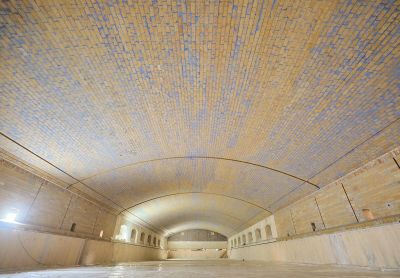
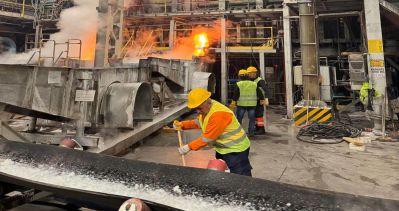
Furnace heat-up, or atrampaj, is the initial controlled heating process that brings an industrial furnace up to its operating temperature for the first time. This phase is particularly critical for continuous-operation furnaces, since once the heat-up is complete, the furnace will maintain a consistent temperature for an extended period, ensuring uninterrupted production.
When performed correctly, the heat-up process not only optimizes production efficiency but also significantly extends the service life of the furnace. If heating is carried out without the necessary preparations:
-
The durability of refractory materials decreases,
-
Thermal resistance weakens,
-
Long-term issues such as cracking, deformation, and energy loss may occur.
Therefore, heat-up is one of the most critical stages in a furnace’s lifecycle — a process that is typically performed only once during its operational life.
Pre-Heat-Up Inspections
Before initiating the heat-up process, all mechanical and control systems must be verified to be fully operational. This includes:
-
Testing air ducts in both “fully open” and “fully closed” positions.
-
Running remote control and automation systems to detect any malfunctions.
-
Cleaning burner lines, heating pipes, and refractory surfaces, ensuring no installation debris or foreign objects remain.
-
Checking fuel lines for leaks by testing with compressed air or steam.
-
Comparing all test results against project specifications for accuracy and compliance.
The heat-up process should begin only after all these pre-checks have been thoroughly completed and verified.

Furnace Heat-Up Technologies: The Initial Heating Process in Industrial Furnaces
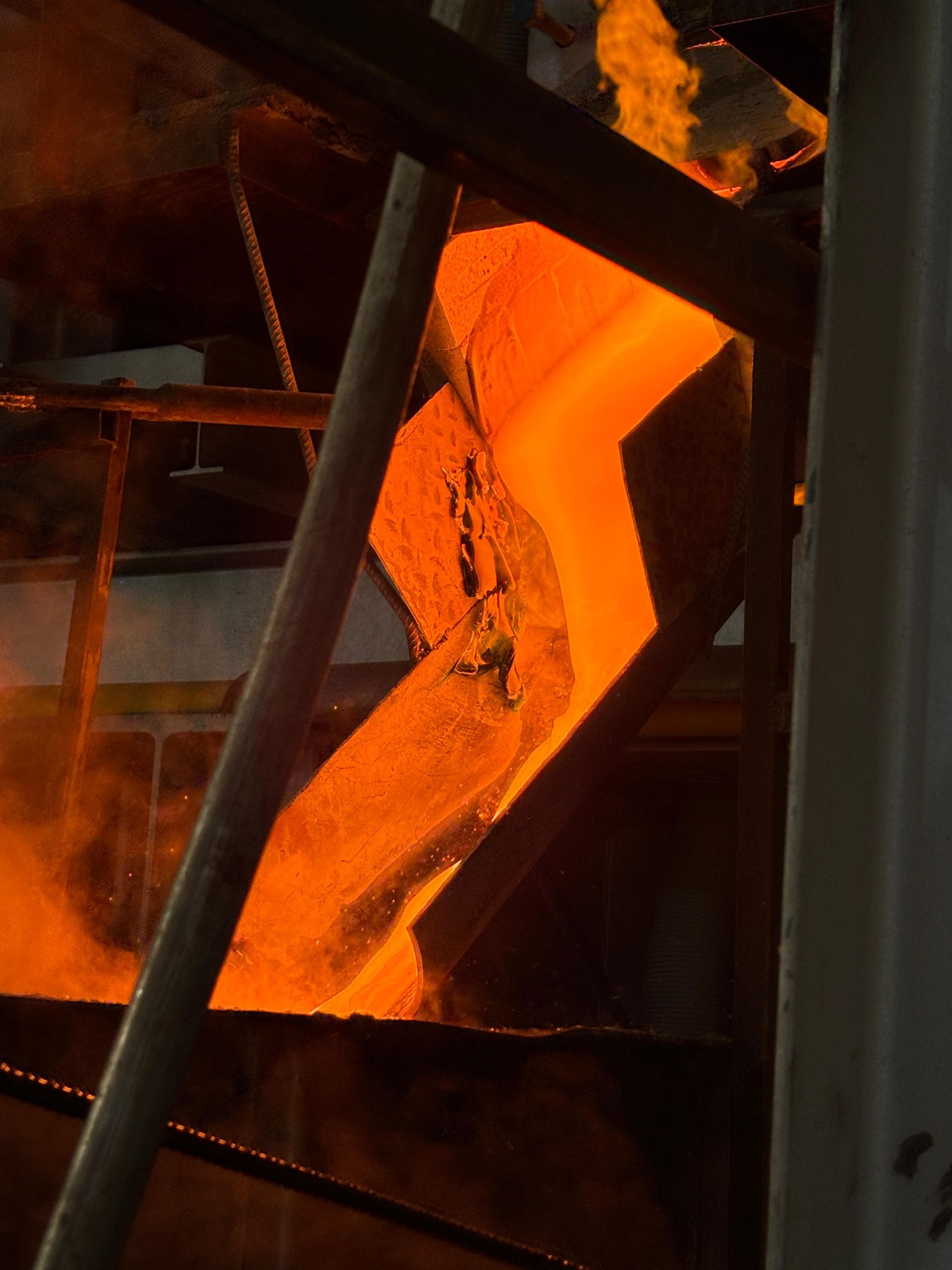
Furnace heat-up, also known as atrampaj, is the controlled initial heating process that brings an industrial furnace to its operating temperature. Before heating begins, mechanical systems, burners, fuel lines, and control equipment must be carefully inspected and tested to ensure safe operation. The temperature is then increased gradually to prevent thermal stress in refractory materials and to allow the furnace structure to expand in a controlled manner. Continuous monitoring during this stage helps identify potential issues early and ensures stable temperature distribution. When executed correctly, the heat-up process protects refractory integrity, supports long-term furnace performance, and prepares the unit for reliable continuous operation.
Initial Heating of the Furnace
During furnace heat-up, the target temperature varies depending on the purpose of the furnace. For example, in glass melting, metallurgy, or ceramic furnaces, temperatures can reach several thousand degrees Celsius.
The heating process must be carried out gradually and in a controlled manner. Rapidly raising the temperature to its target value can create tension between refractory bricks, increasing the risk of cracking. Therefore:
-
The temperature is raised incrementally,
-
The internal temperature distribution of the furnace is measured at each stage,
-
If necessary, the heating process is paused temporarily to restore equilibrium.
Throughout the heat-up process, the refractory specialist must continuously monitor the furnace and report any areas showing heat accumulation or structural stress in real time.
The Importance of Professional Execution
Furnace heat-up should be performed only under the supervision of trained and experienced professionals, as even a small mistake can cause permanent damage that affects the furnace’s entire lifespan.
For this reason:
-
The furnace installation is not considered complete until the heat-up process is successfully finished,
-
Each step of the procedure should be documented and recorded,
-
After completion, the furnace’s thermal stability must be tested.
Furnace heat-up is the first step toward reliable and long-lasting operation of an industrial furnace.
Careful mechanical testing, controlled temperature progression, and expert supervision ensure that the furnace maintains optimal performance and durability for years to come.