
- About Us
- Industrial Furnaces
- Services
- Client
- Contact
×
WHAT ARE YOU LOOKING FOR?
Refractory Dismantling: Safe, Efficient, and Environmentally Friendly Methods
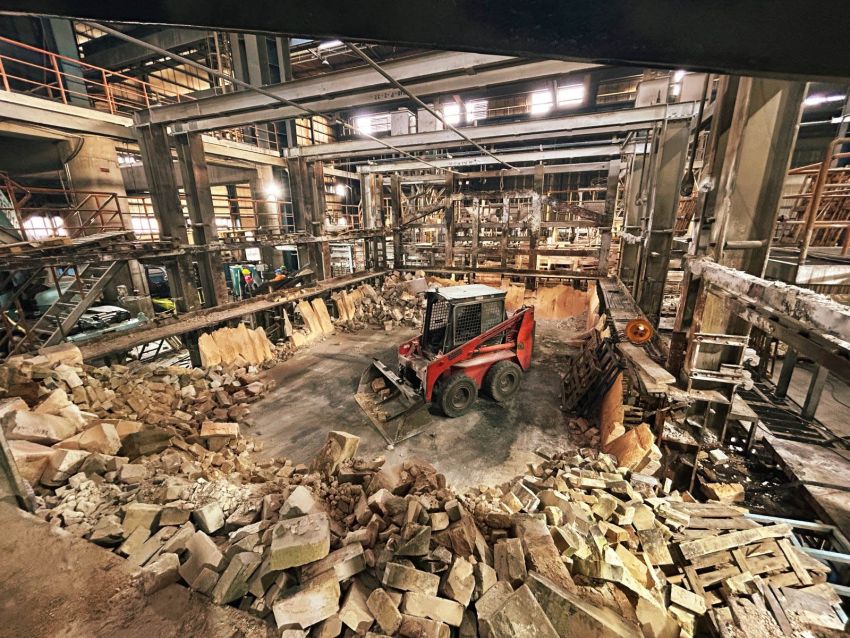
What Is Refractory Dismantling?
Refractory dismantling is the process of removing worn-out refractory materials from furnaces and industrial units after they have reached the end of their service life. Although it may appear to be a simple “demolition” process, it is in fact a highly critical and delicate operation.
Poorly executed refractory dismantling can lead not only to material loss, but also to environmental harm and health risks. For this reason, the dismantling process must be carried out by professional teams in a planned, controlled, and supervised manner.
The Importance of Refractory Dismantling
The reasons why refractory dismantling must be performed with great care can be summarized as follows:
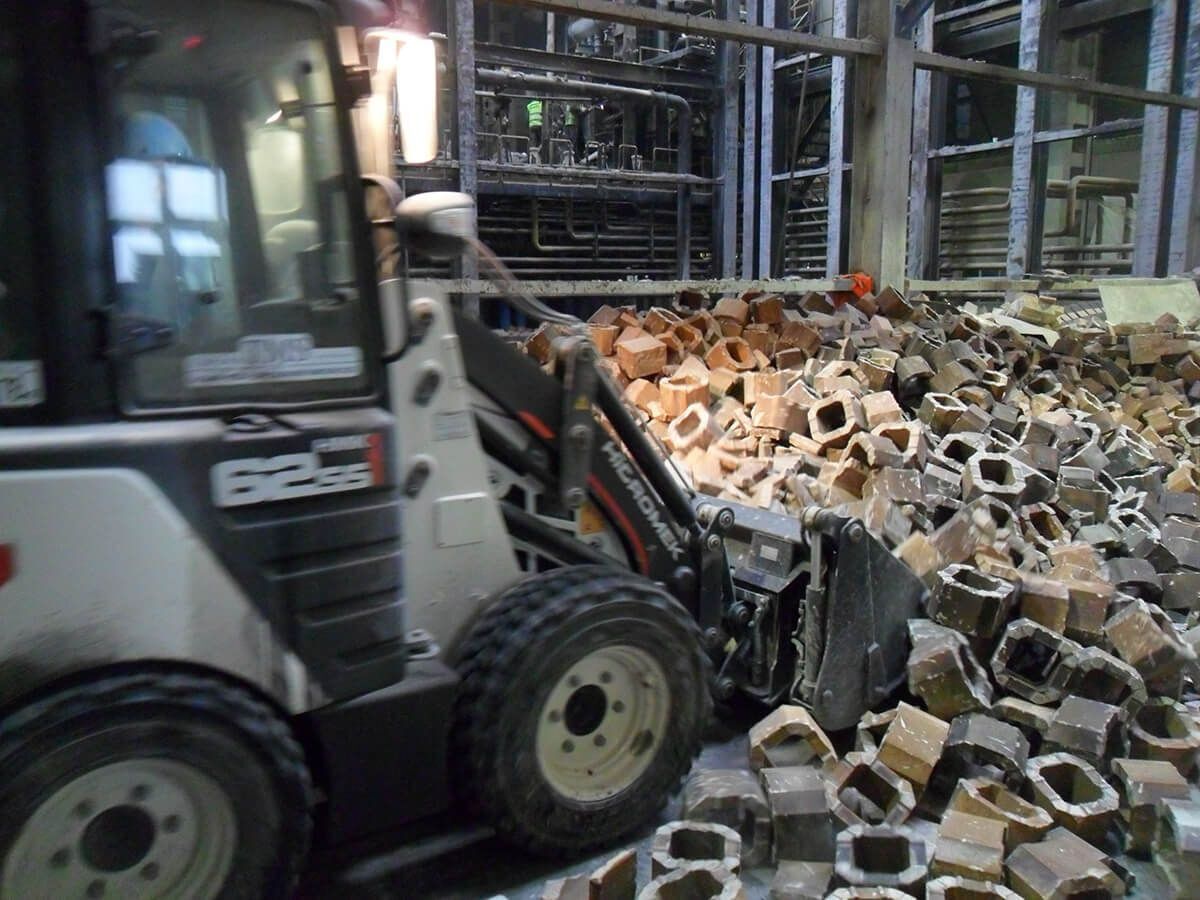
♻️ Recycling and Reuse: Even in end-of-life units, reusable refractory pieces can often be recovered. Removing them without damage provides a significant cost advantage.
Environmentally Friendly Process: Dismantled materials can be recycled and reused, reducing both environmental impact and production costs.
Health and Safety: Incorrect dismantling methods can release harmful substances such as chromium and crystalline silica into the air, posing serious respiratory risks. Therefore, protective equipment, goggles, masks, and clothing must always be used.
Refractory Dismantling Methods
-
Water Jet Dismantling
• Uses high-pressure water capable of cutting through steel.
• Allows for precise operation, reaching hard-to-access areas.
• Offers high material recovery, providing an advantage for recycling.
• Delivers results that are faster and safer than other methods.
• Can be operated remotely via robotic systems, enhancing operator safety.
Advantage: Up to 10 times faster and more efficient compared to conventional methods.
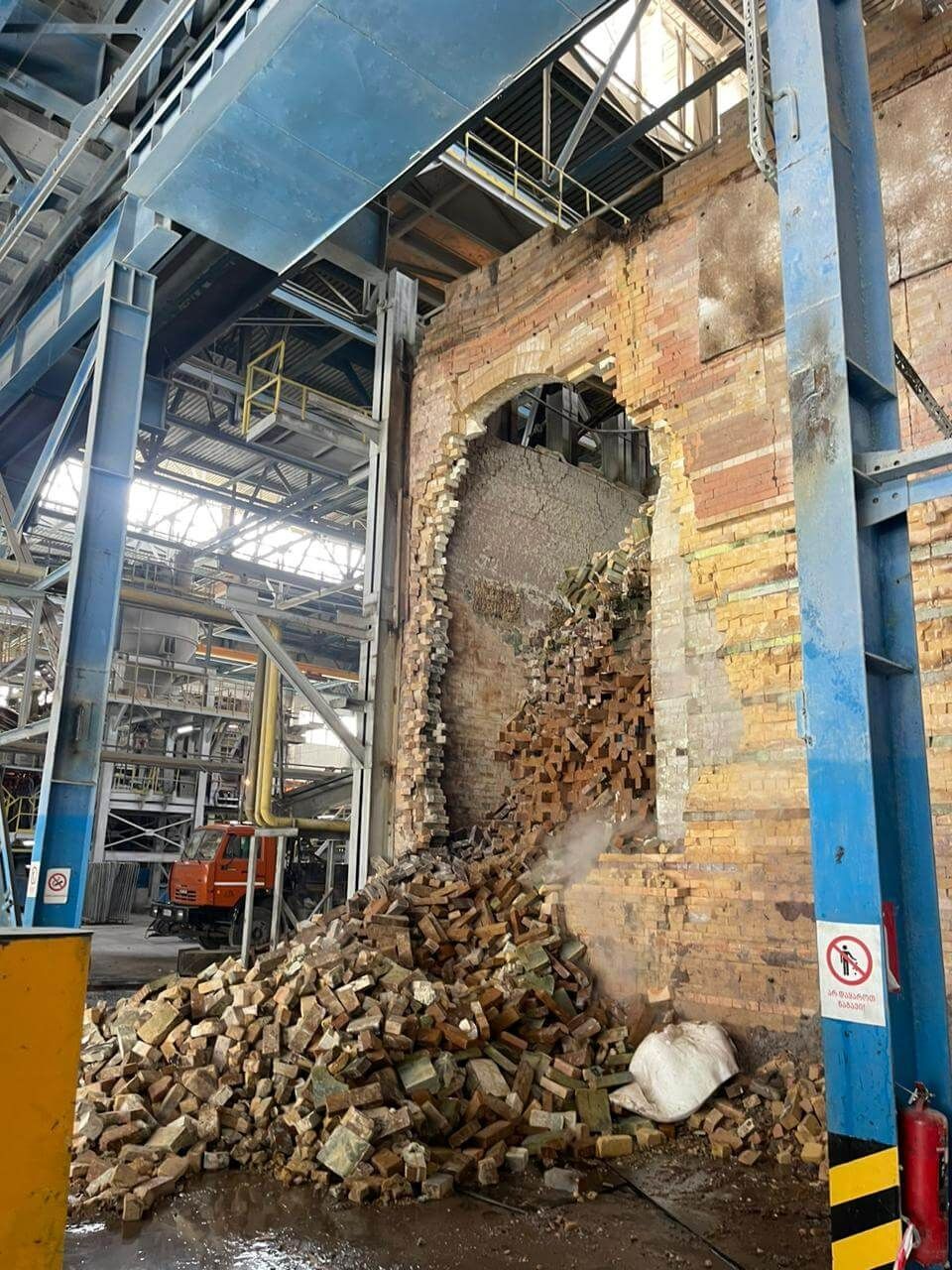
Refractory Dismantling: Safe, Efficient, and Environmentally Friendly Methods
Industrial furnaces are used across many industries for processes such as melting, firing, drying, and heat treatment. According to their operating principle, they are mainly classified as continuous or intermittent furnaces. Continuous furnaces operate without shutdown, allowing materials to enter and exit while the furnace remains at operating temperature, whereas intermittent furnaces are heated and cooled for each production cycle. Typical intermittent designs include chamber, domed, and bell furnaces, while ring and tunnel furnaces are common examples of continuous systems. Each furnace type offers different advantages depending on the production method, material handling approach, and operational requirements.
-
Refractory Dismantling with Pneumatic Breakers
• Utilizes air-powered breaking tools.
• Offers lower operational costs, but less precision compared to other methods.
• The amount of recoverable refractory material is limited.
• Slower than the water jet method in terms of operation time.
• Preferred in situations where water jet dismantling is either not feasible or too costly.
Advantage: A cost-effective solution, though limited in terms of material recovery and speed.
The Importance of Professional Dismantling
Refractory dismantling and removal processes must be carried out by trained and experienced specialists.
• All safety precautions must be strictly implemented.
• Hazardous waste must be properly contained and disposed of in compliance with environmental regulations.
• The maximum amount of material should be recovered for recycling or reuse.
• The process must be completed within the planned timeframe.
Refractory dismantling is not merely the removal of old materials — it is a safe, environmentally conscious, and cost-efficient operation. The choice between water jet or pneumatic breaker methods should be made based on operational needs and project requirements, and the entire process should always be managed by professional teams.