
- About Us
- Industrial Furnaces
- Services
- Client
- Contact
×
WHAT ARE YOU LOOKING FOR?
Use of Refractory Bricks in Industrial Furnaces
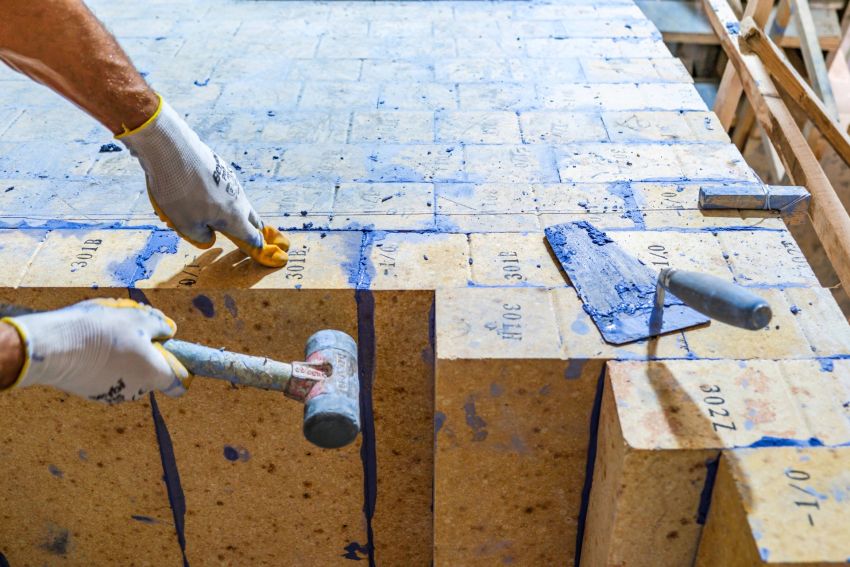
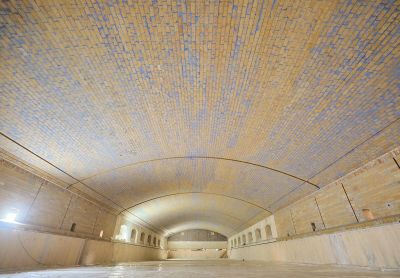
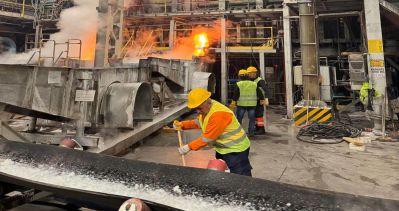
Industrial furnaces, regardless of their type or purpose, are capable of reaching extremely high temperatures — and more importantly, they must be able to maintain these temperatures for the required duration. Therefore, they must be constructed from materials that can both withstand heat and prevent heat loss. Refractory materials, especially refractory bricks, are specifically designed for this purpose. Refractories are materials that maintain their thermal resistance even under extreme heat and, most importantly, do not absorb but reflect heat. This property solves two fundamental problems encountered in industrial furnaces. To briefly explain these and the use of refractory bricks in industrial furnaces:
High Thermal Resistance:
As mentioned above, refractory bricks can withstand temperatures of thousands of degrees without any change in their density or structure. For industrial furnaces, this is an absolute necessity. To achieve this, they are manufactured from various raw materials, each with different heat resistance levels. For instance, some refractory bricks can easily withstand temperatures above 1,500 °C, while others are recommended for use below 800 °C. Therefore, the operating temperature of the furnace must be determined in advance, and the refractory bricks must be produced from materials suitable for that temperature. In other words, there is no single standard type of refractory brick — they are selected and even manufactured according to the specific requirements of each application.

Use of Refractory Bricks in Industrial Furnaces
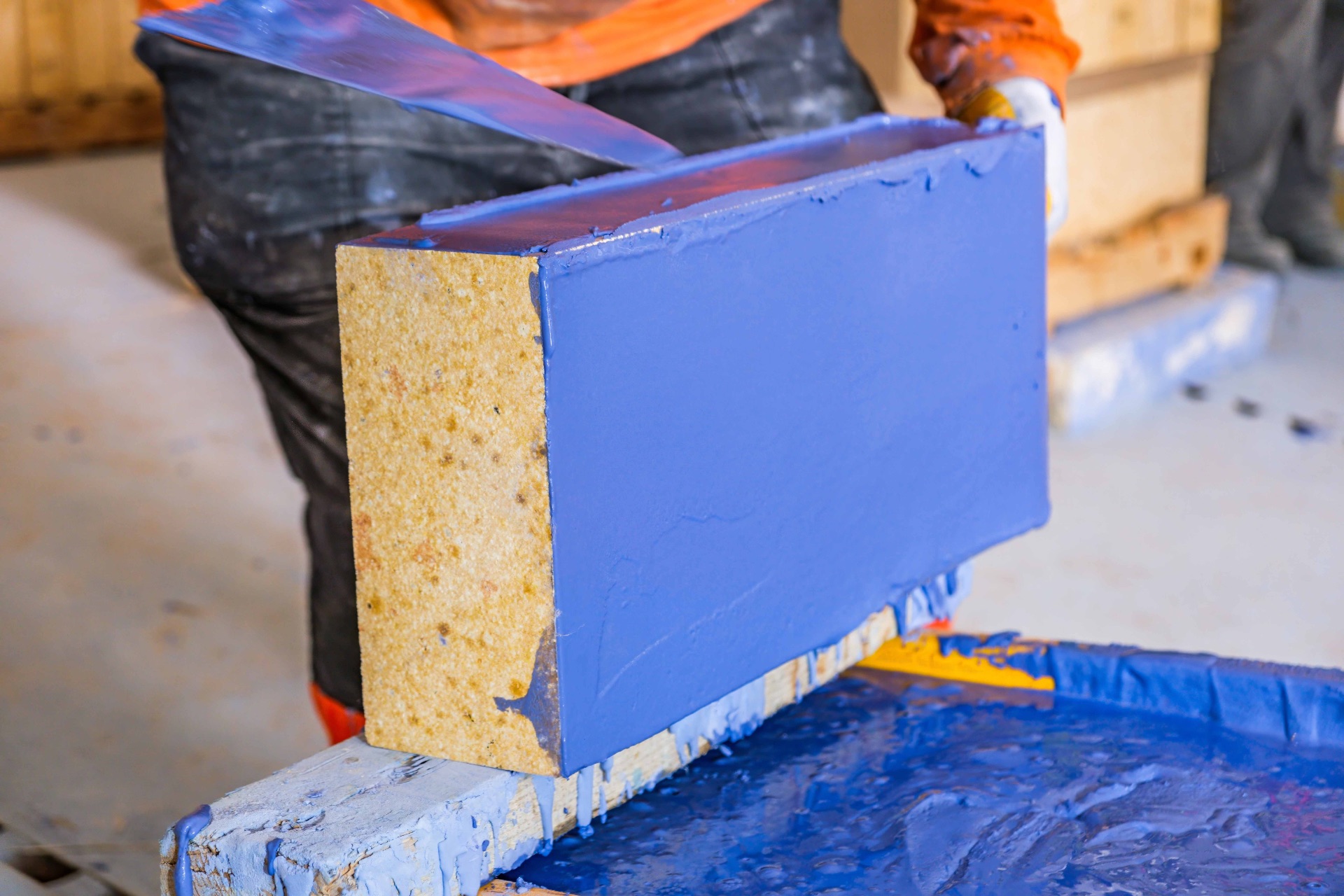
Industrial furnaces operate at extremely high temperatures and require materials capable of maintaining structural stability while minimizing heat loss. Refractory bricks are specifically designed for this purpose, providing strong thermal resistance and helping to maintain consistent operating temperatures inside the furnace. Produced from different raw materials depending on temperature requirements, refractory bricks are selected according to the specific conditions of each furnace application. Their ability to withstand high heat while reflecting thermal energy back into the furnace helps reduce energy consumption and supports long-term operational efficiency in high-temperature industrial processes.
Prevention of Heat Loss:
Industrial furnaces are units that consume a significant amount of energy to reach and maintain the required temperatures. Uncontrolled heat loss causes the furnace to consume more energy and considerably shortens its service life. The use of refractory bricks in industrial furnaces is therefore crucial. Contrary to common belief, refractory bricks do not absorb heat; on the contrary, they are designed to absorb as little heat as possible and reflect it back. Refractory bricks return the absorbed heat to the interior of the furnace, preventing heat loss and reducing energy consumption. Of course, achieving this also requires the use of suitable thermal mortars and insulation materials.
In summary, refractory bricks are materials that enable industrial furnaces to reach high temperatures, maintain stable operation at those temperatures, and prevent heat loss during the process.