- About Us
- Industrial Furnaces
- Services
- Client
- Contact
×
WHAT ARE YOU LOOKING FOR?
From Waste to Energy: Waste Incineration Furnace Technologies
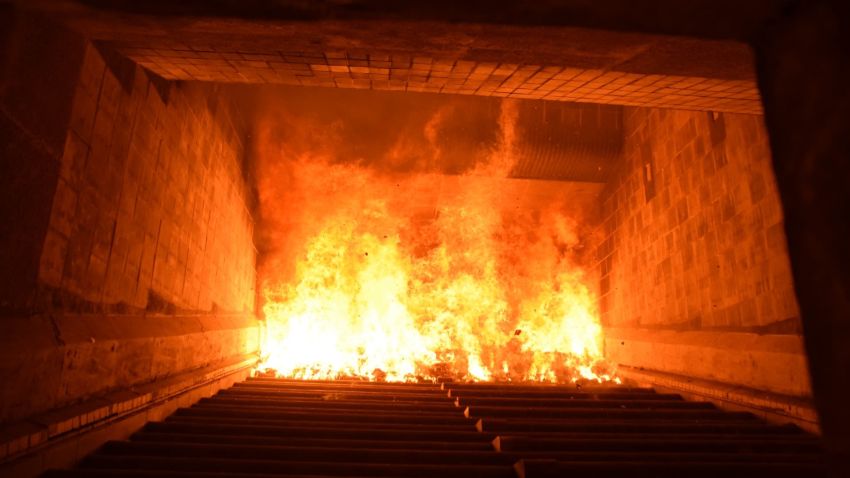
The Role of Furnace Technologies in Waste Management
Waste management is a comprehensive system encompassing the processes of collection, transportation, recovery, and disposal. One of the most critical components of this system is waste incineration furnaces.
In the simplest terms, a waste incineration furnace is an industrial system that burns waste at high temperatures, converting it into gas and harmless residues. The idea of destroying waste through combustion is not new—it has been practiced since the 17th century. However, with advancements in modern engineering and refractory technologies, these furnaces have evolved into highly efficient, environmentally friendly systems that also enable energy recovery.
Capacity and Applications
Waste incineration furnaces can be designed either to handle the waste of a single facility or to serve as part of an entire city’s waste management infrastructure. Their size, capacity, and thermal power are fully determined according to specific needs.
These systems operate based on the principles of combustion and gasification. As a result of the incineration process:
-
The volume of waste is reduced by up to 80%,
-
The remaining residues (ash and slag) make up only about 20% of the original volume,
-
Volatile gases are treated through special filtration systems before being released, ensuring they are rendered harmless to the environment.
In this sense, waste incineration furnaces are not an alternative but a complement to recycling. Although no reusable material remains after the process, the environmental load is significantly reduced, and heat energy can be recoveredfor secondary use.
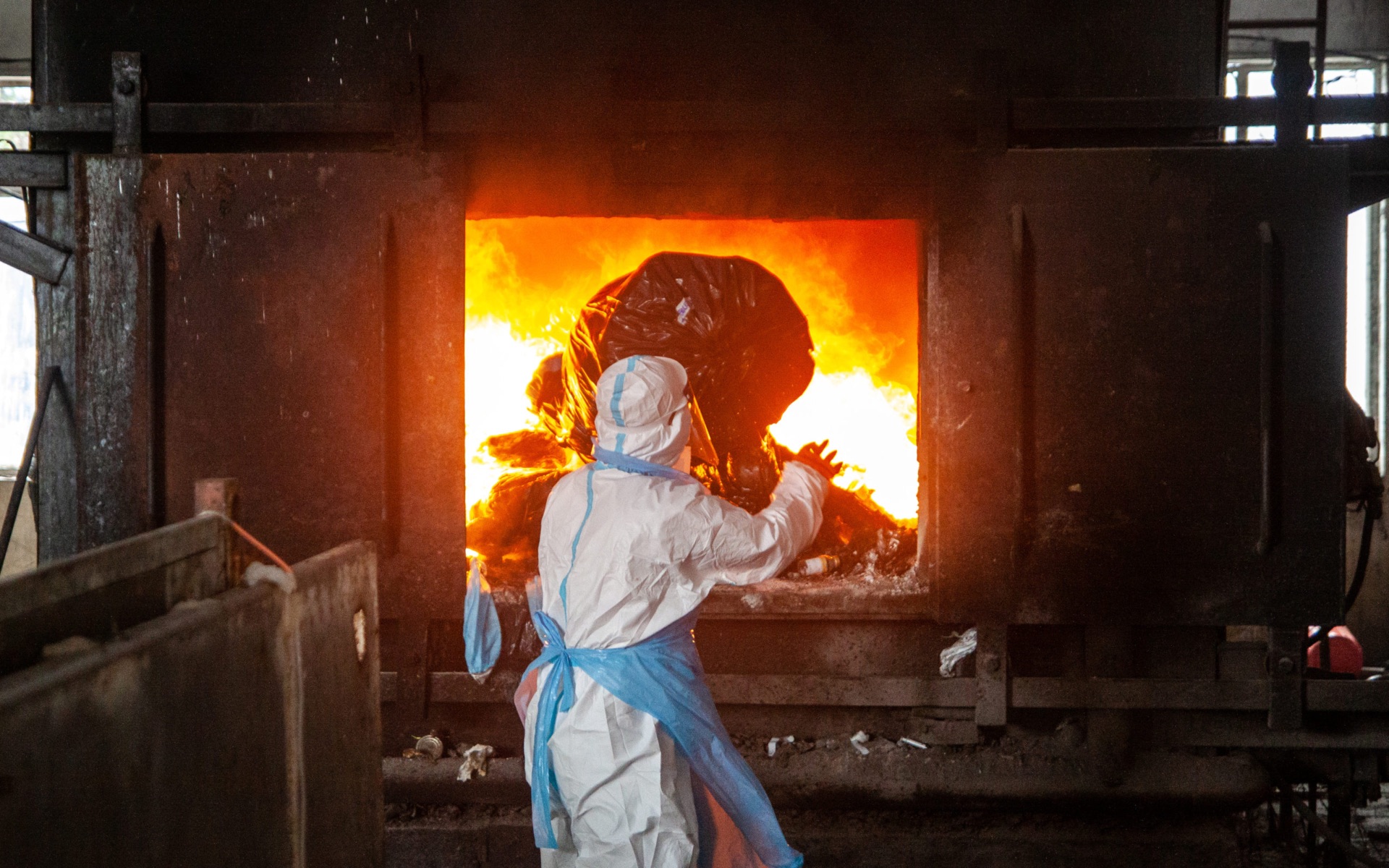
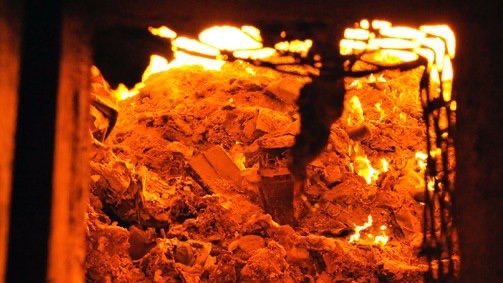
From Waste to Energy: Waste Incineration Furnace Technologies
Waste incineration furnaces play a key role in modern waste management by reducing waste volume through high-temperature combustion. In these systems, waste is burned under controlled conditions, significantly decreasing its volume while leaving behind only a small amount of inert residue. Advanced furnace technologies also allow heat generated during the process to be recovered and reused as energy. Combined with filtration and emission control systems, modern waste incineration furnaces help manage waste responsibly while supporting energy recovery and environmental sustainability.
High-Temperature Disposal
Depending on the type of waste, furnace temperatures can reach between 850 °C and 1,200 °C. This ensures that:
-
Hazardous, toxic, or dangerous wastes are safely destroyed,
-
Medical waste, chemical residues, and organic compounds are fully decomposed,
-
Ash residues are rendered inert (non-reactive).
Modern waste incineration furnaces can also be used for electricity generation through waste heat recovery. In this way, both environmentally responsible disposal and economic benefit are achieved.
Environmental Impact and Emission Control
The environmental impact of waste incineration furnaces is directly related to the quality of their filtration and gas treatment systems. In next-generation systems:
-
Flue gases are treated using electrostatic filters, activated carbon units, and lime injection systems,
-
Emission levels are reduced to comply with EU REACH and ISO environmental standards.
Thus, while enabling energy recovery, harmful emissions to the atmosphere are minimized.
Today, waste incineration furnaces are at the core of sustainable waste management strategies. Furnaces designed with efficient combustion systems and advanced filtration infrastructure not only eliminate waste but also provide eco-friendly solutions that contribute to energy production.
Modern waste incineration furnace technologies represent the future systems that combine environmental responsibility with industrial efficiency.