
- About Us
- Industrial Furnaces
- Services
- Client
- Contact
×
WHAT ARE YOU LOOKING FOR?
Where Glass Is Born: Glass Melting Furnaces and Their Working Principles
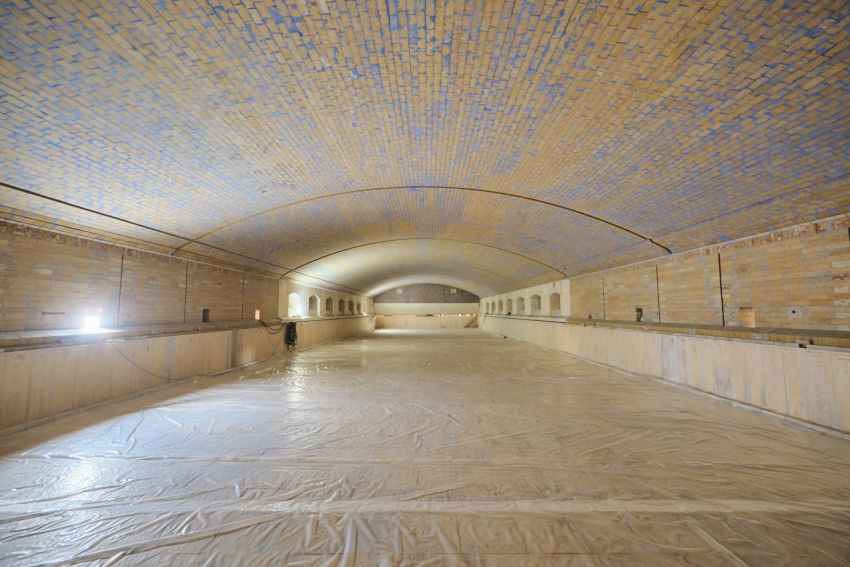
What Is a Glass Melting Furnace?
Glass production takes place by melting minerals such as silica, soda ash, and limestone at extremely high temperatures. At the heart of this process are glass melting furnaces, which bring the glass mixture to a molten state, ready for shaping. As one of the most critical structures in the glass industry, these furnaces must meet three fundamental requirements:
• Resistance to high operating temperatures
• Superior insulation for energy efficiency
• Durability against corrosive vapors and slag residues
Main Components of a Glass Melting Furnace
-
Melting / Refining Zone
This is the most critical part of the furnace. Its walls, bottom, and crown are fully lined with refractory materials. The refractories used must resist alkali vapors and corrosion while also withstanding sudden temperature fluctuations. -
Insulation
In glass furnaces, energy loss must be kept below 0.5%. To achieve this, insulation is applied without leaving gaps between the inner and outer linings. Proper insulation not only increases energy efficiency but also extends the furnace’s service life. -
Regenerator
Regenerators recover heat energy released at high temperatures, enabling the furnace to operate more efficiently. As a result, energy losses are minimized, and the lifespan of the furnace is significantly extended.
Where Glass Is Born: Glass Melting Furnaces and Their Working Principles
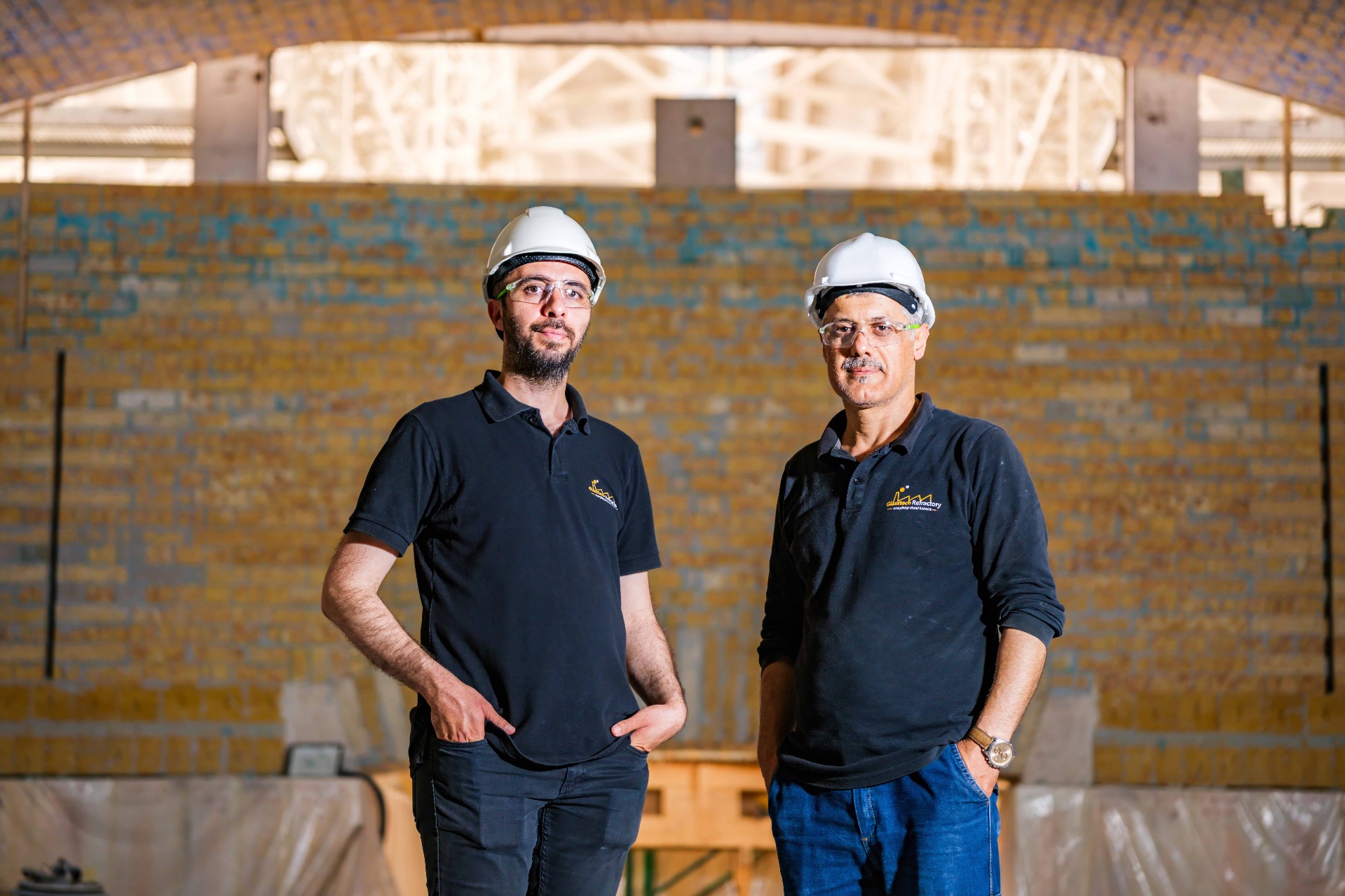
Glass melting furnaces are the core units where raw materials such as silica, soda ash, and limestone are melted at extremely high temperatures to form molten glass. Designed to withstand intense thermal loads, these furnaces rely on high-performance refractory linings, efficient insulation systems, and heat recovery technologies to maintain stable production conditions. Key sections such as the melting and refining zone, insulation layers, and regenerators work together to ensure energy efficiency, durability, and consistent glass quality. When properly installed, operated, and maintained, glass melting furnaces can operate for many years while delivering reliable performance in continuous industrial production.
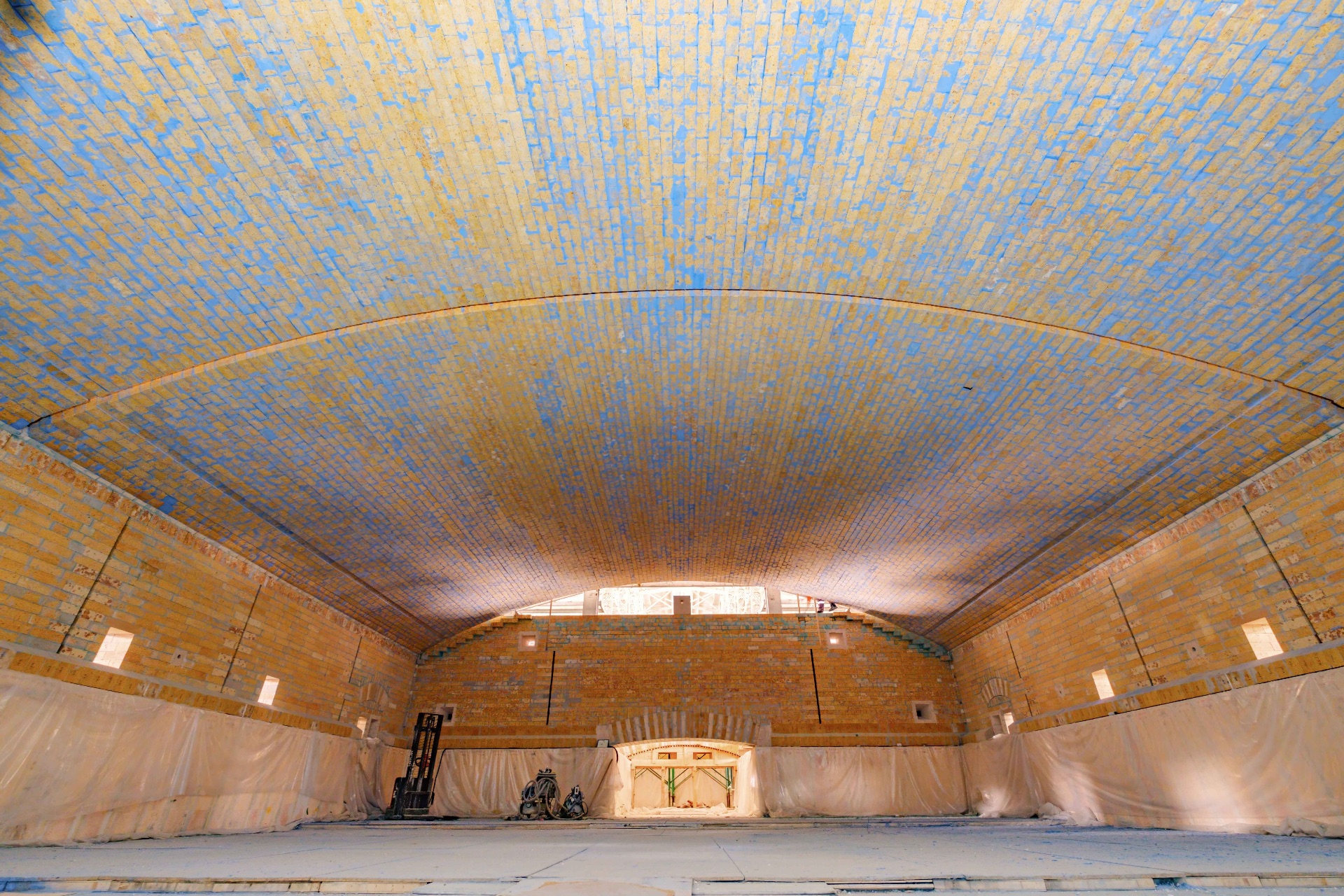
Service Life of Glass Melting Furnaces
On average, a glass melting furnace can operate for up to 12 years when properly designed and installed. To achieve this, the following are essential:
• Regular periodic maintenance
• Operation in accordance with recommended standards
• Use of high-quality refractory materials
In particular, zirconium refractories are indispensable in glass furnaces, as they do not react with molten glass, ensuring long-lasting durability and stable furnace performance.